Curiepe
cribed by UNESCO on the Representative List of the Intangible Cultural Heritage of Humanity. The tradition is understood by its practitioners not only as an expression of faith, but also as a symbol of cultural resistance, freedom, and remembrance.
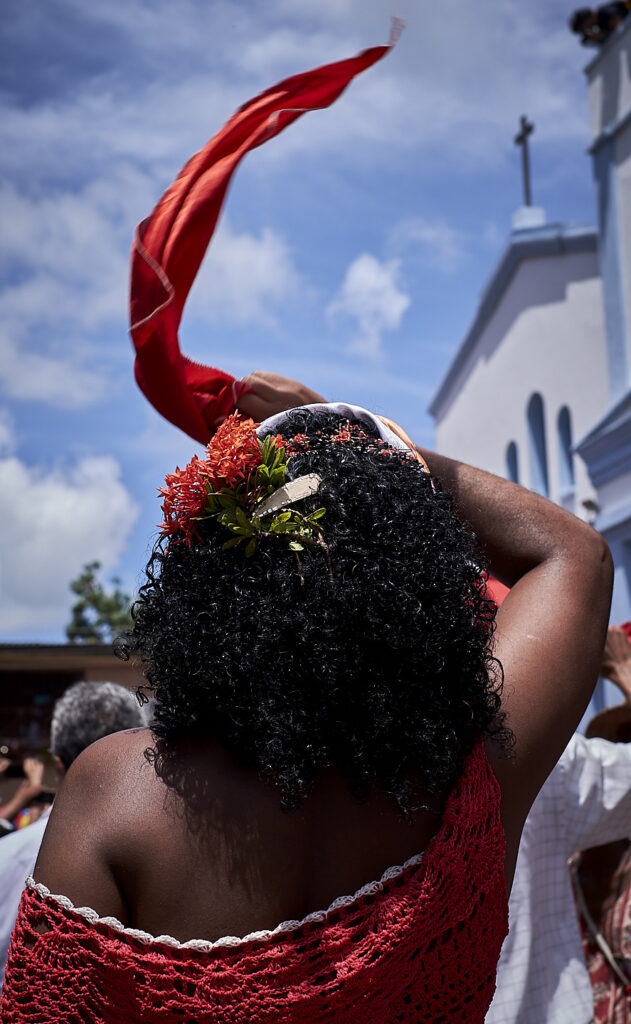
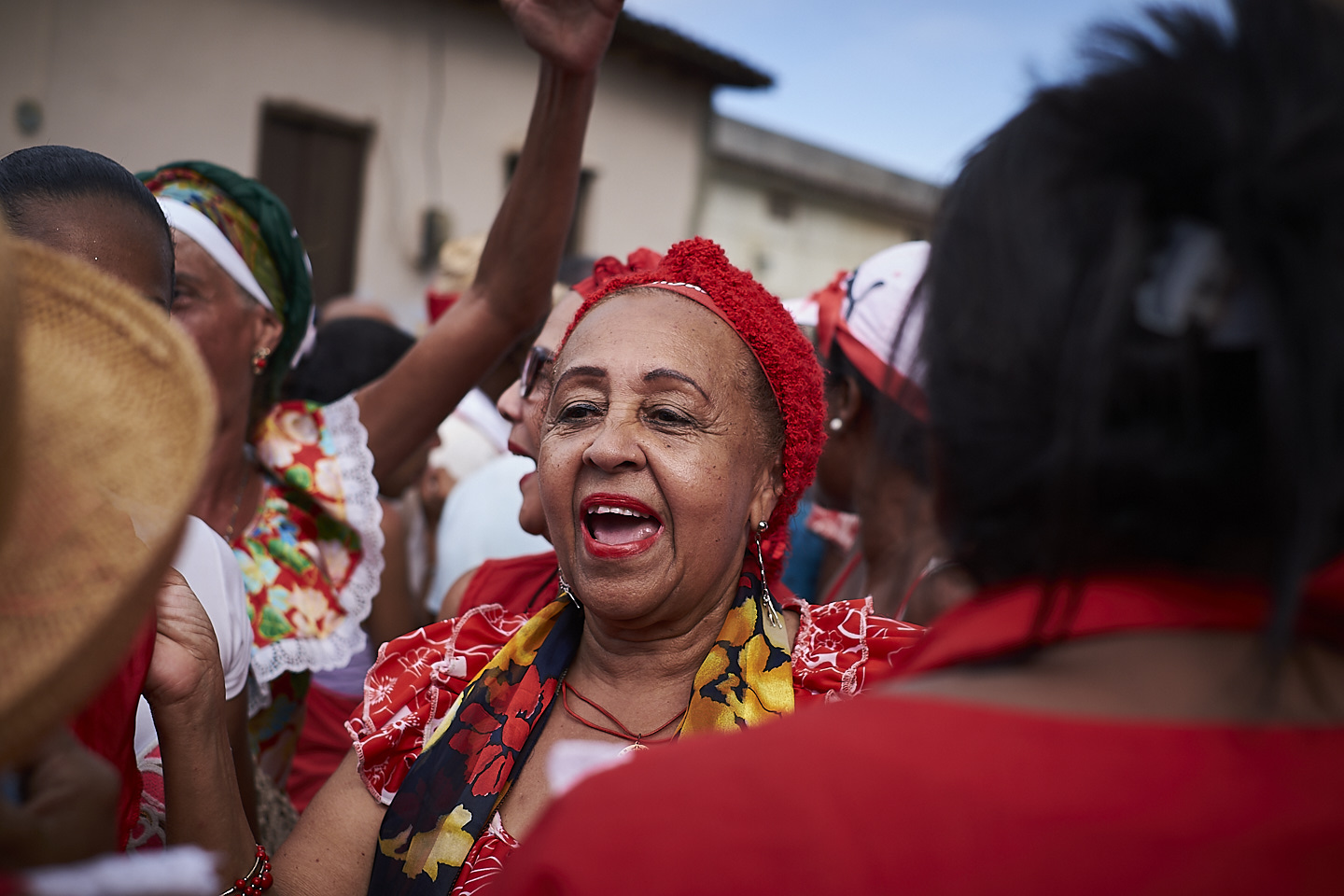
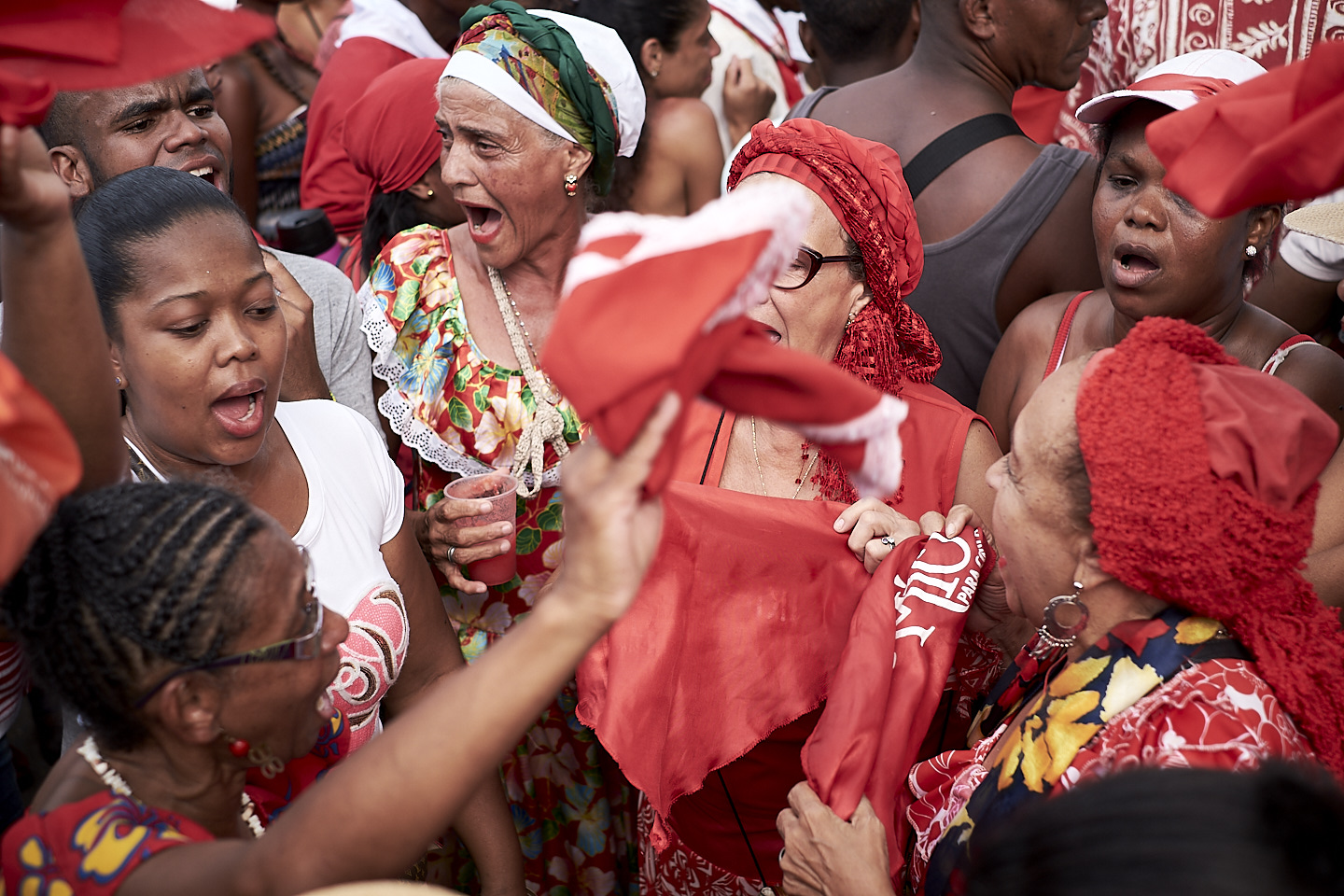
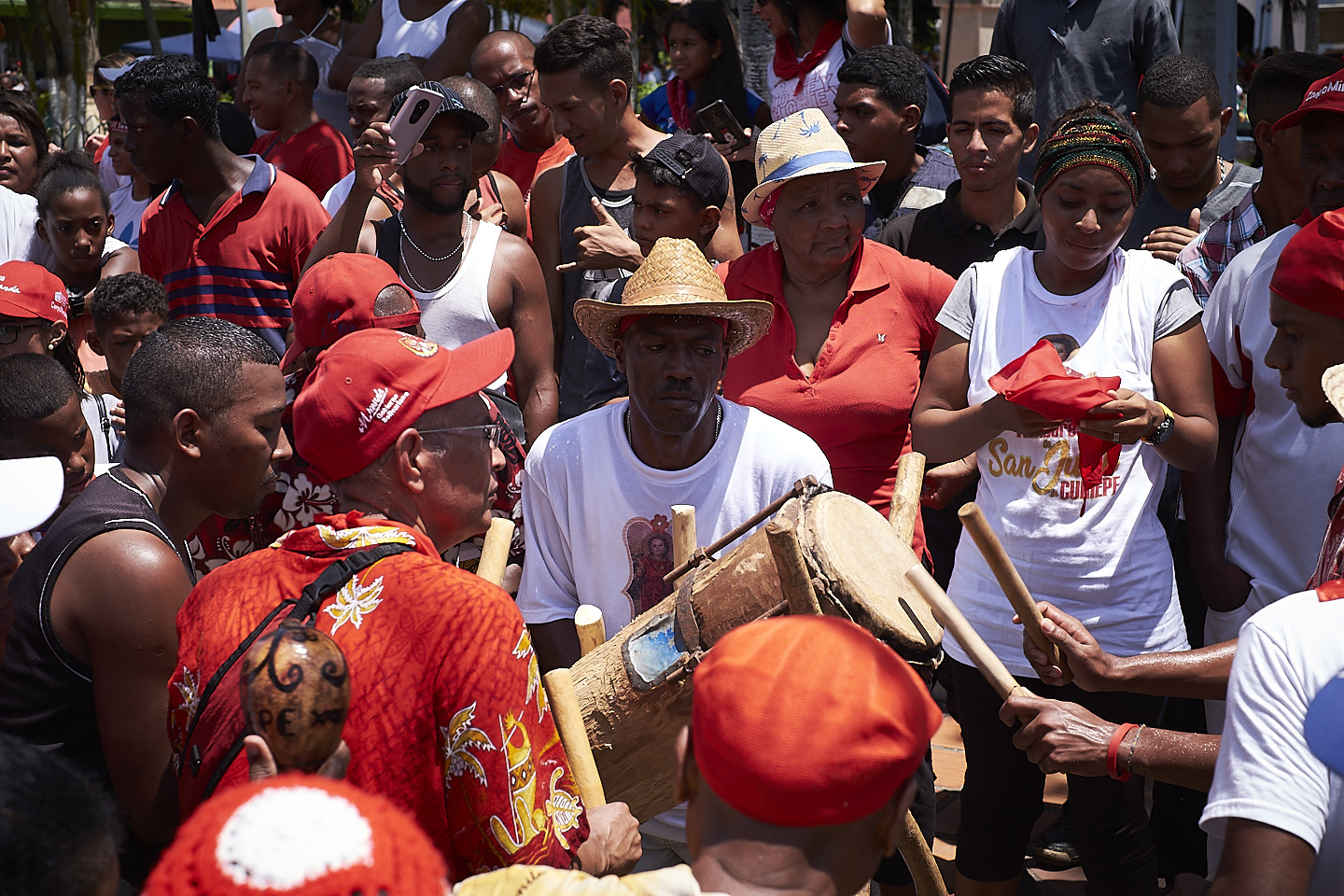
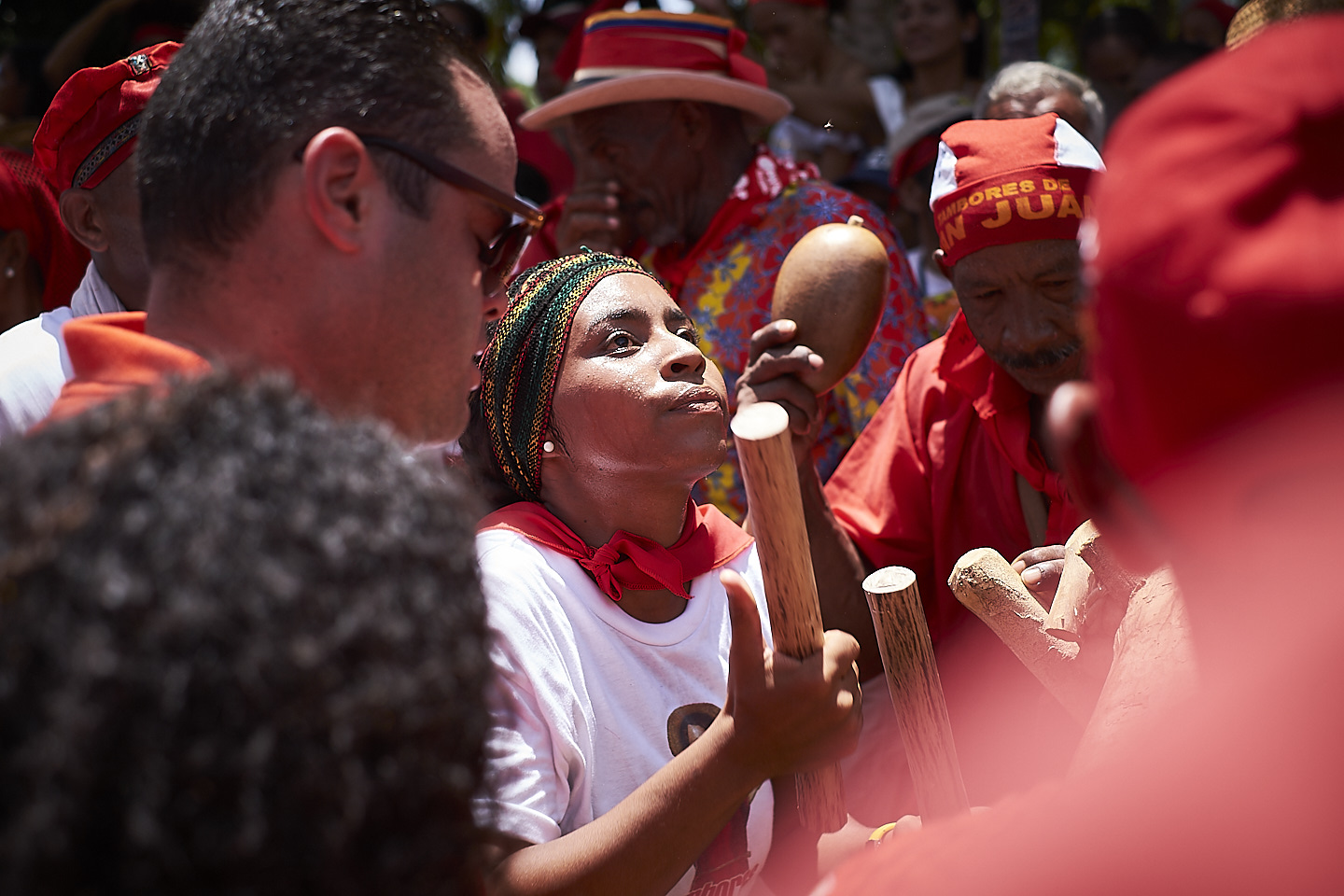
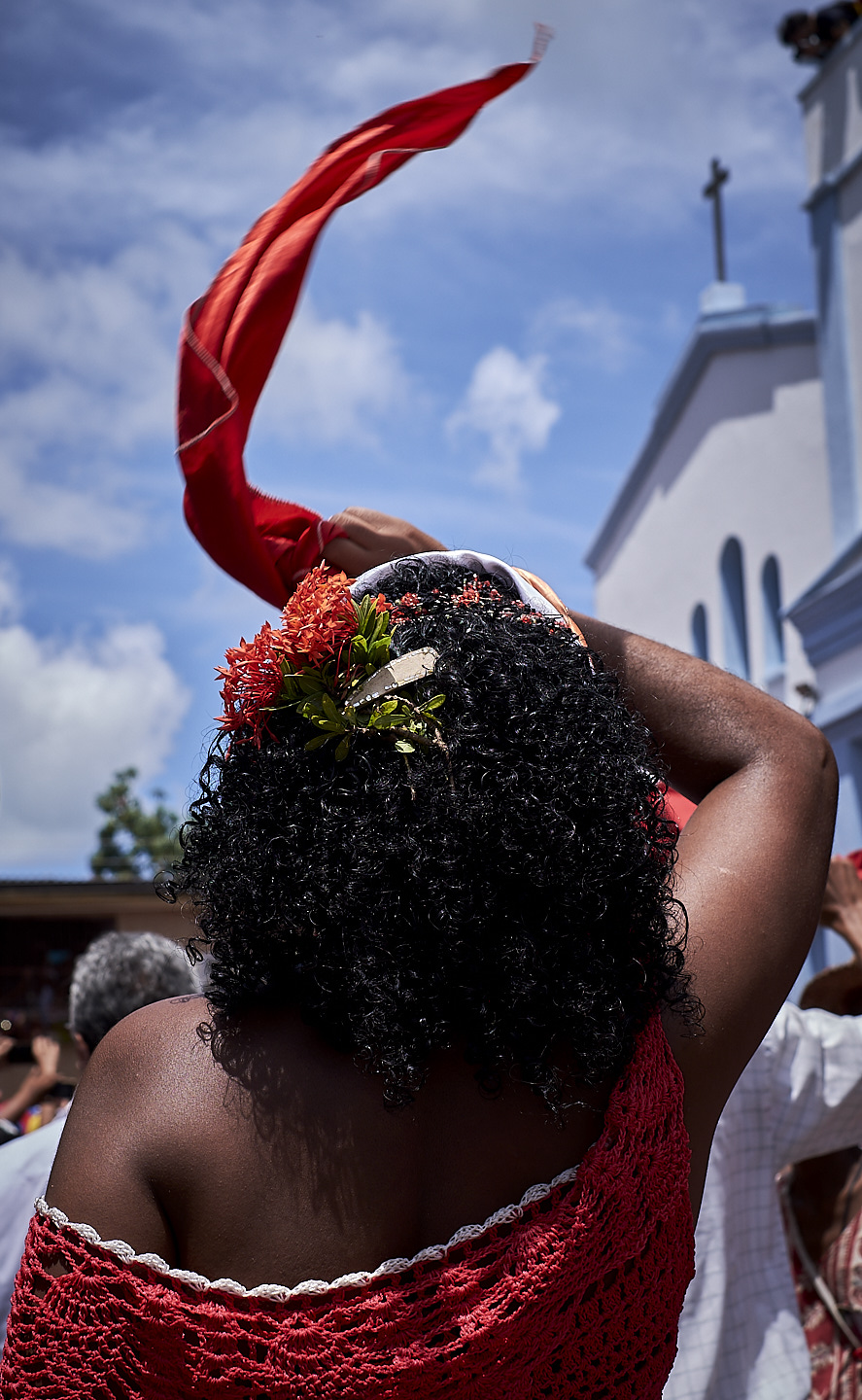
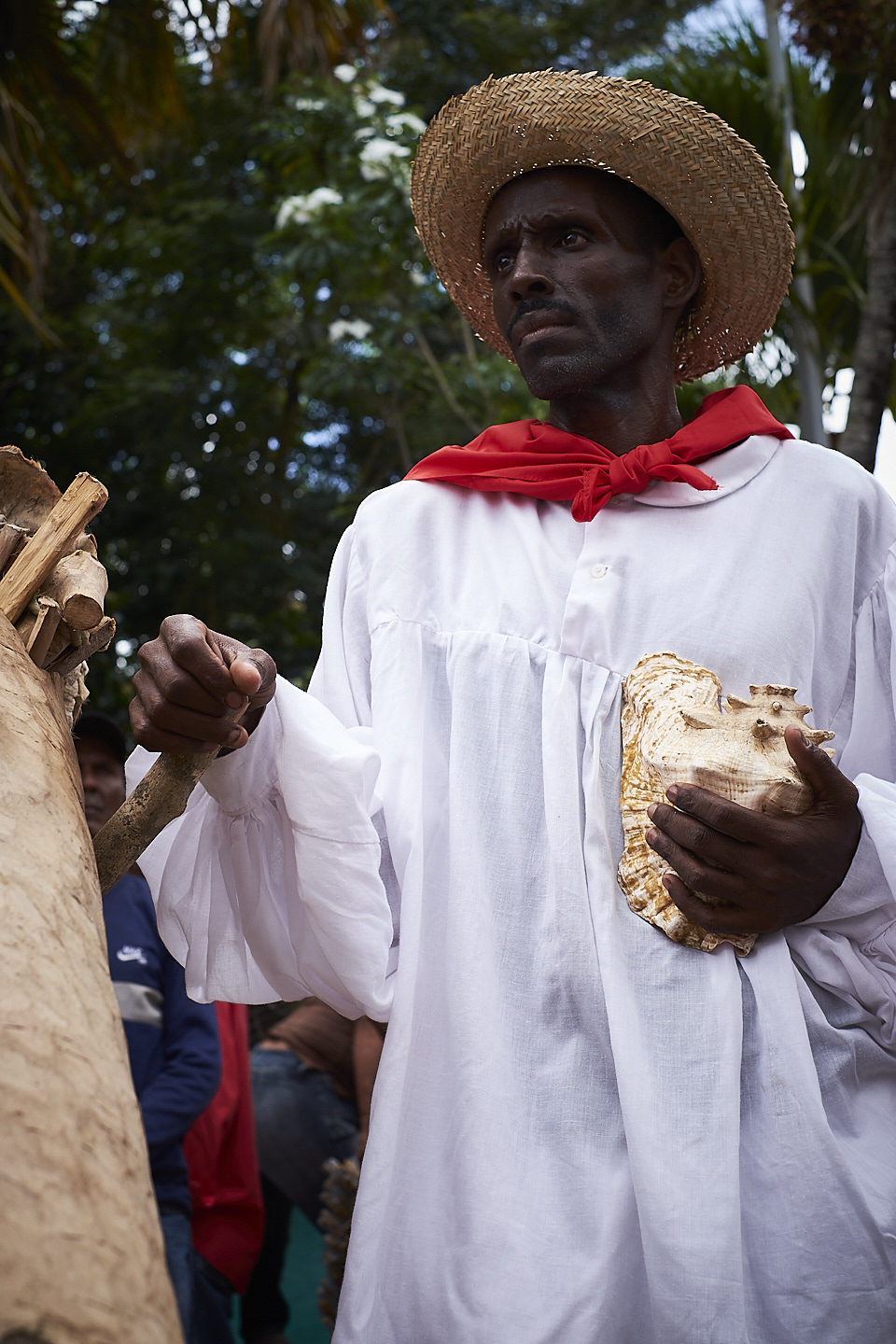
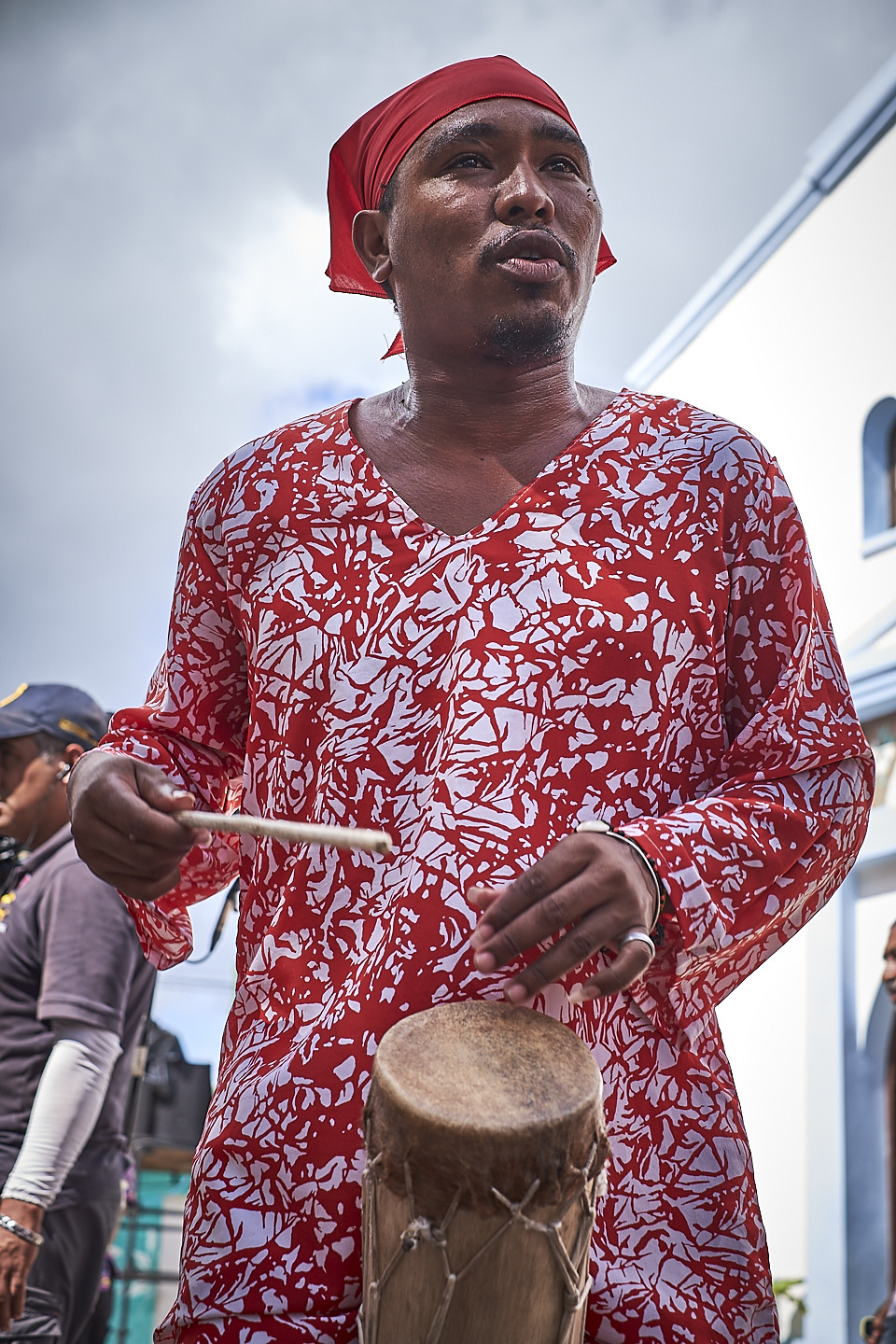
In Curiepe, the celebration transforms the town. The sound of the drums becomes impossible to separate from the movement of the people. The mina, the curbata, the culo e’ puya, the singing, the dancing, the prayers, and the processions create an atmosphere in which the sacred and the communal exist side by side. Each element has its own place within the celebration, but together they create something much larger than the sum of its parts.
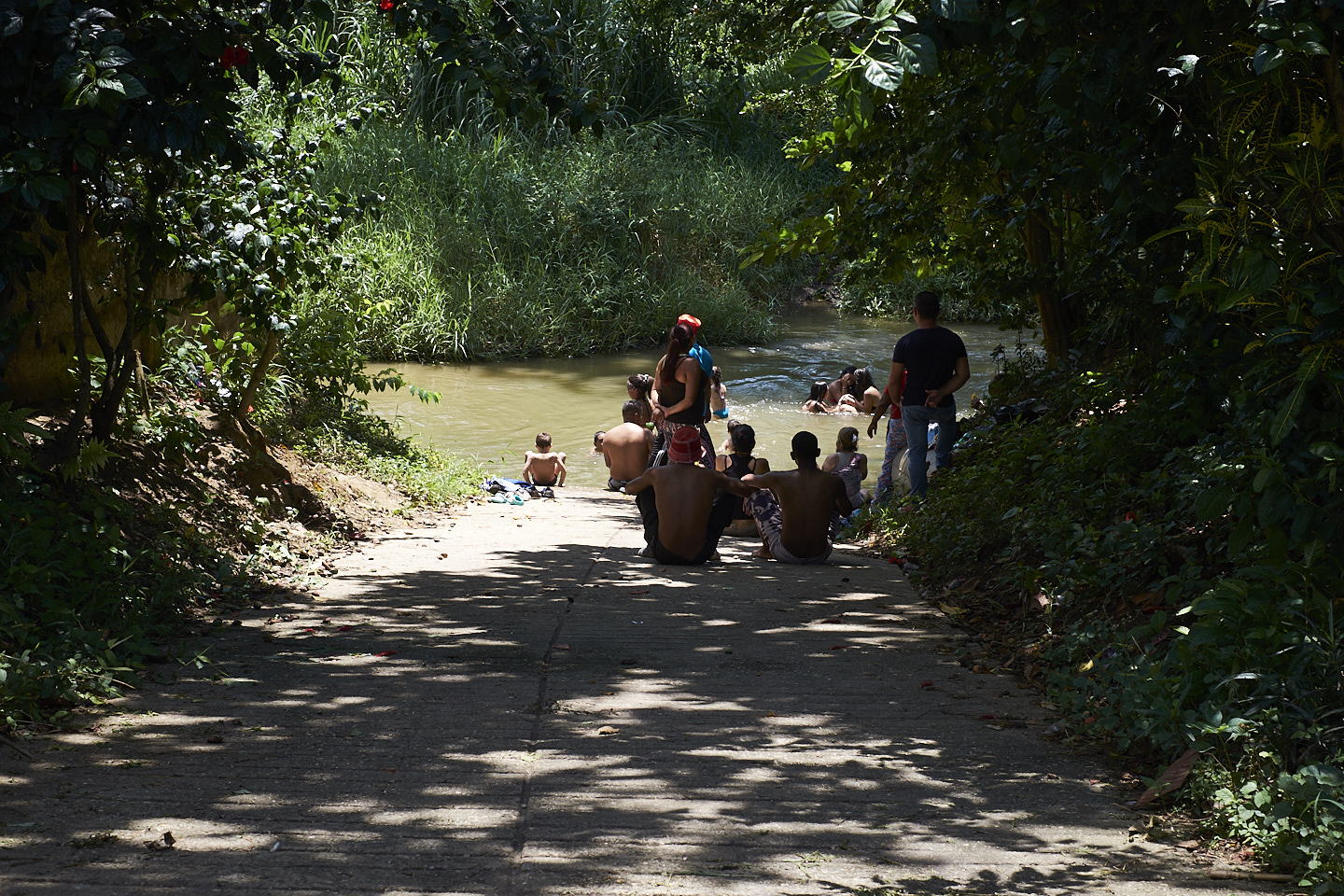
I remember the heat as much as I remember the drums.
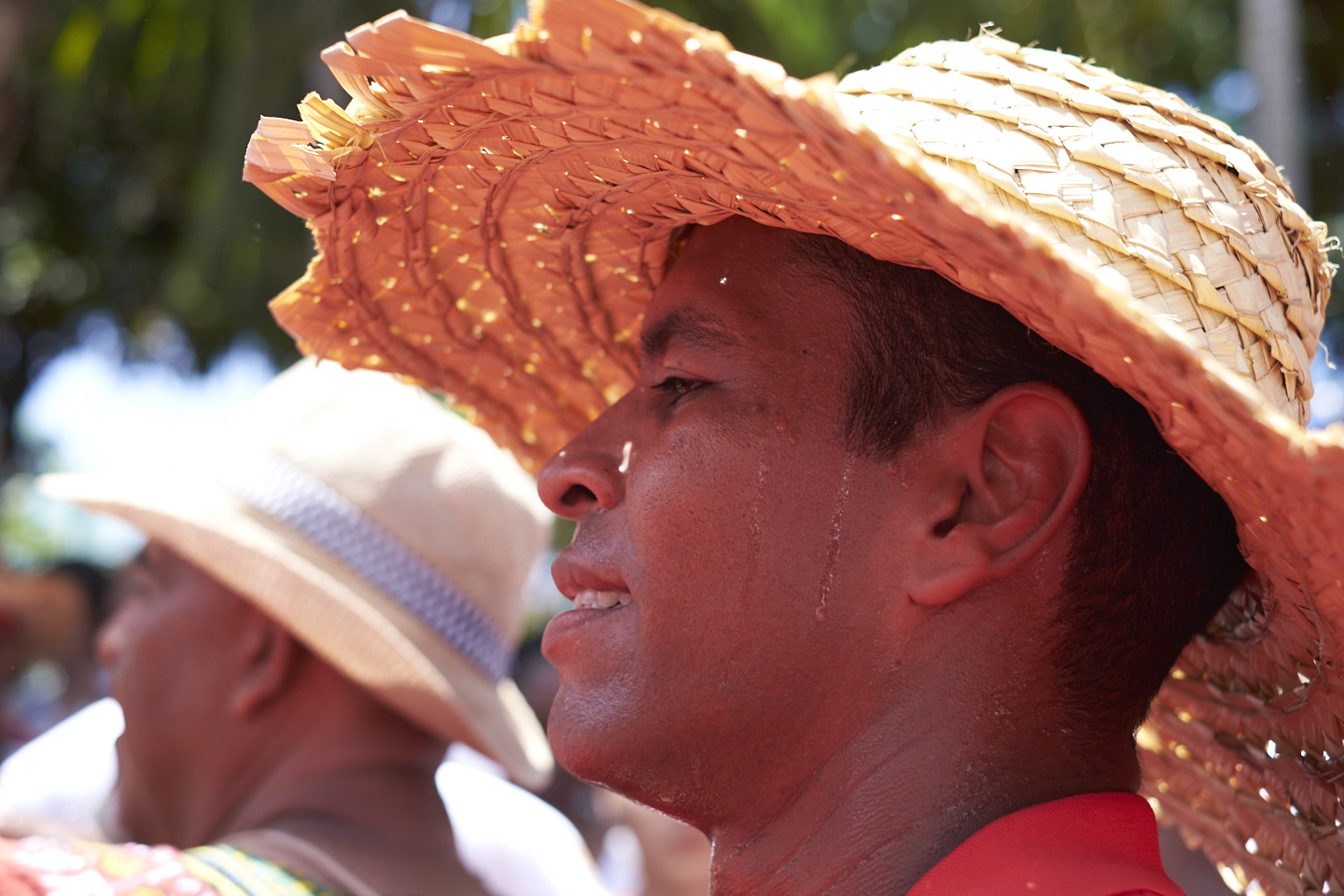
Covering San Juan in Curiepe is physically demanding. The temperature can become intense, and after hours of walking, standing, carrying cameras, moving through crowds, and working under the sun, dehydration becomes a real concern. As a photographer, you have to pay attention not only to what is happening in front of you, but also to your own body. There are moments when you realize that documenting an event like this requires endurance as much as observation.
But the physical exhaustion is only one part of the experience.
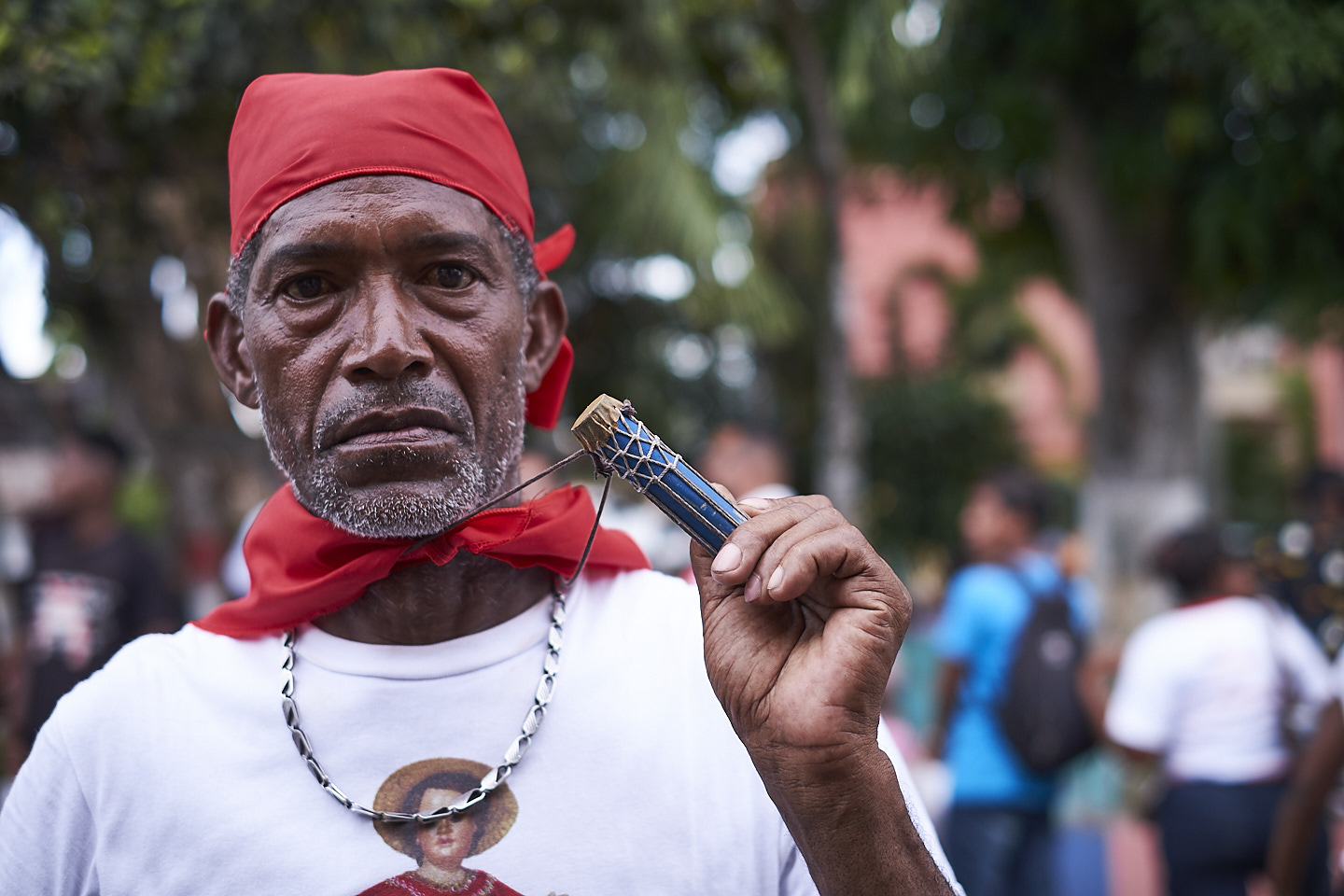
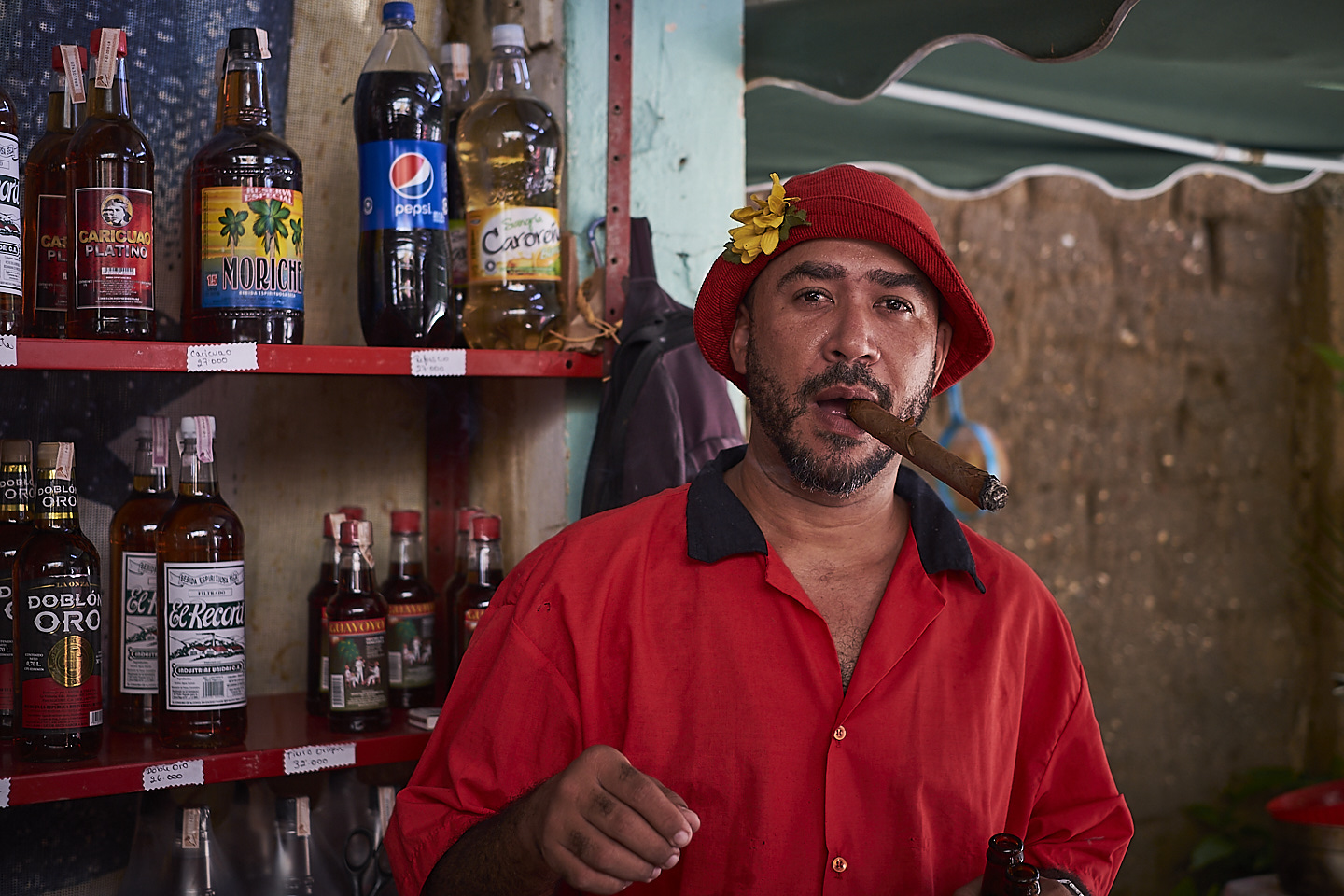
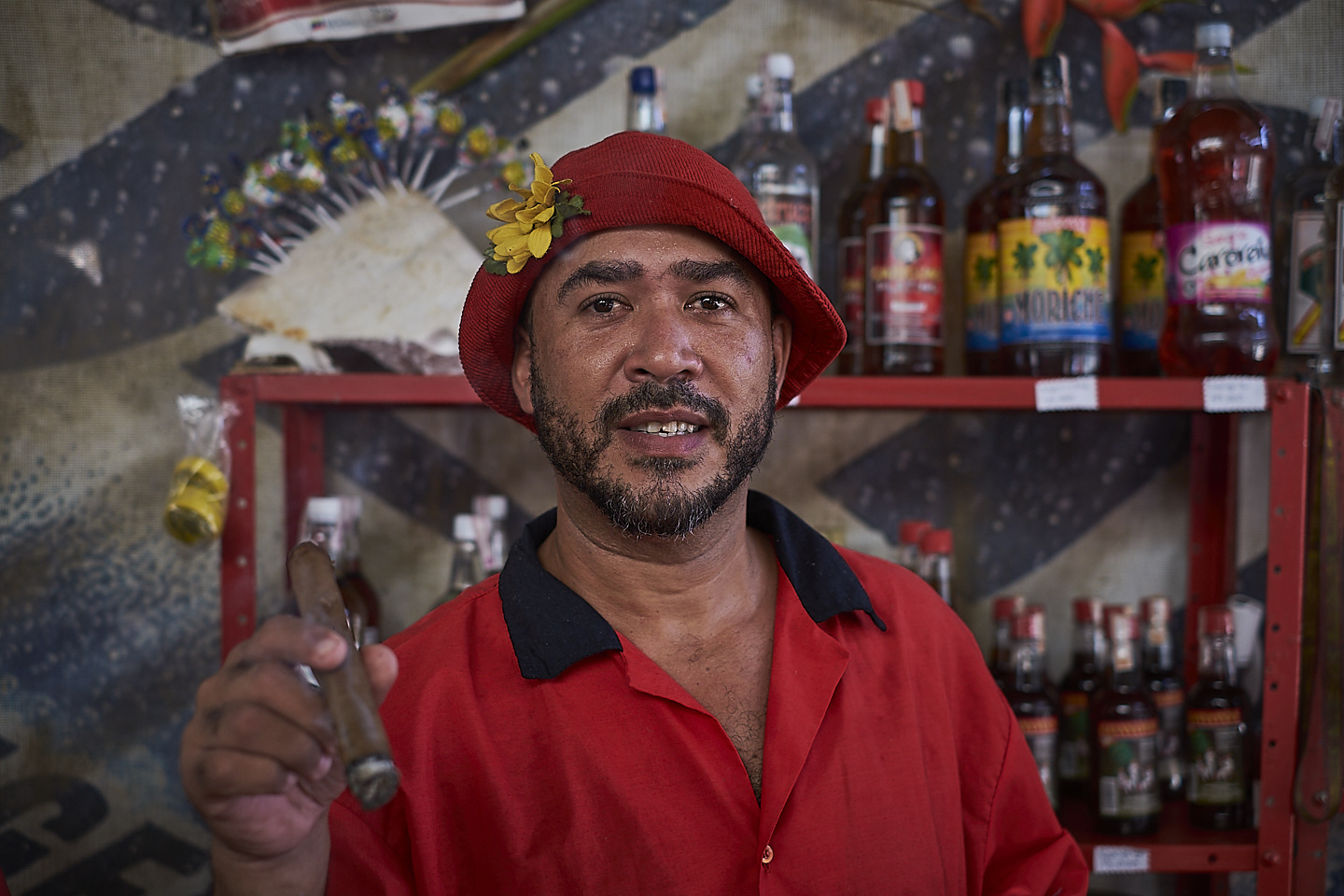
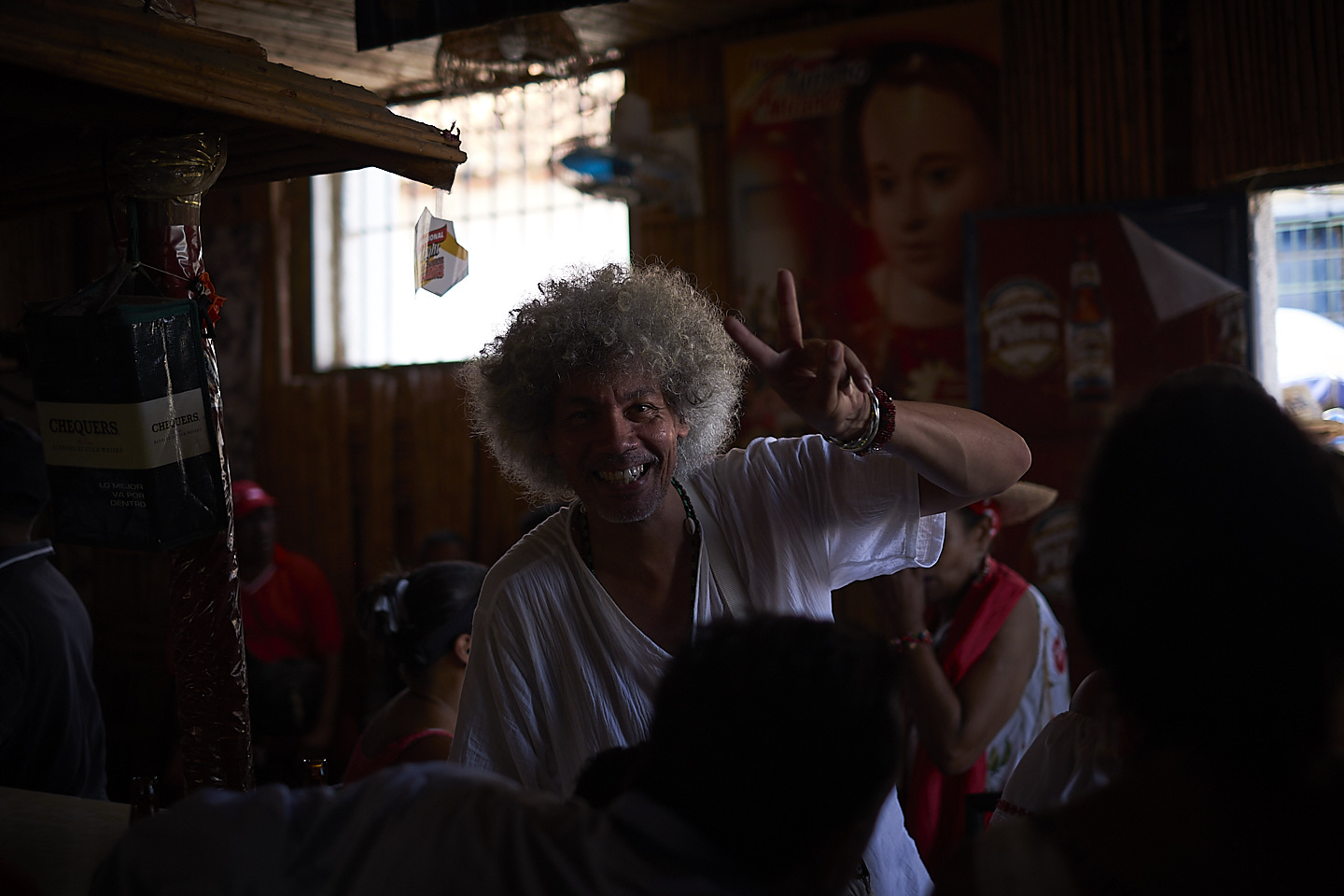
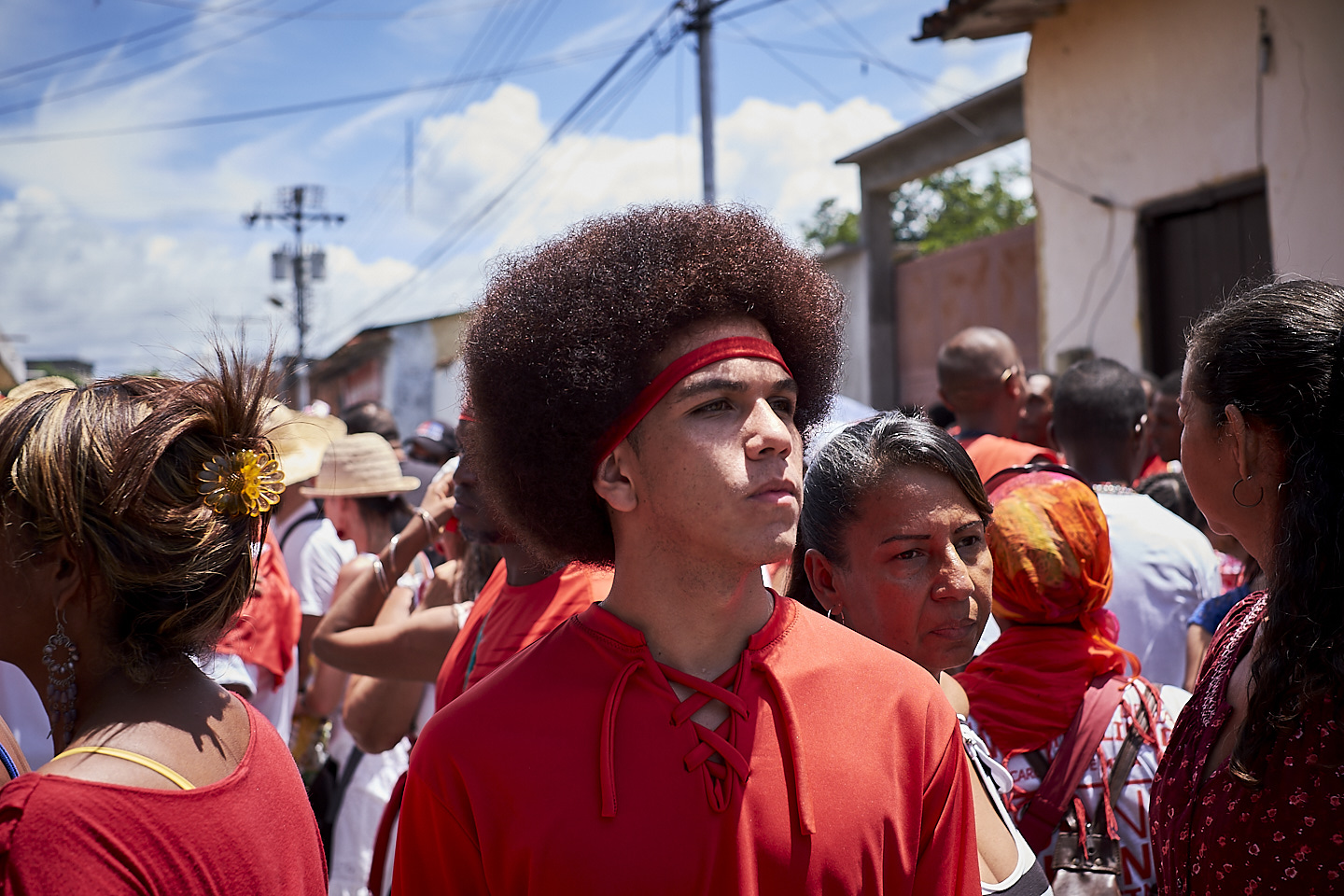
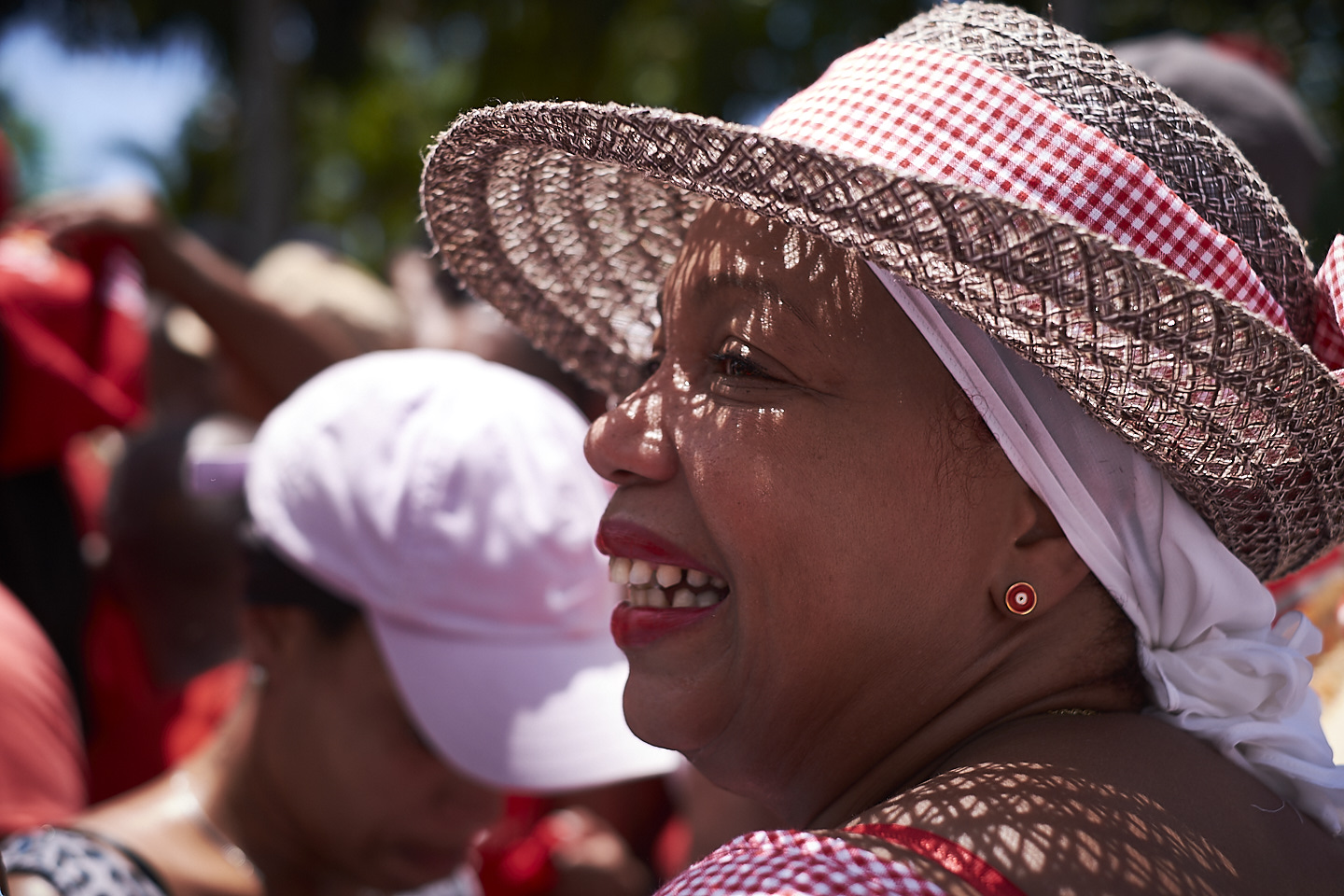
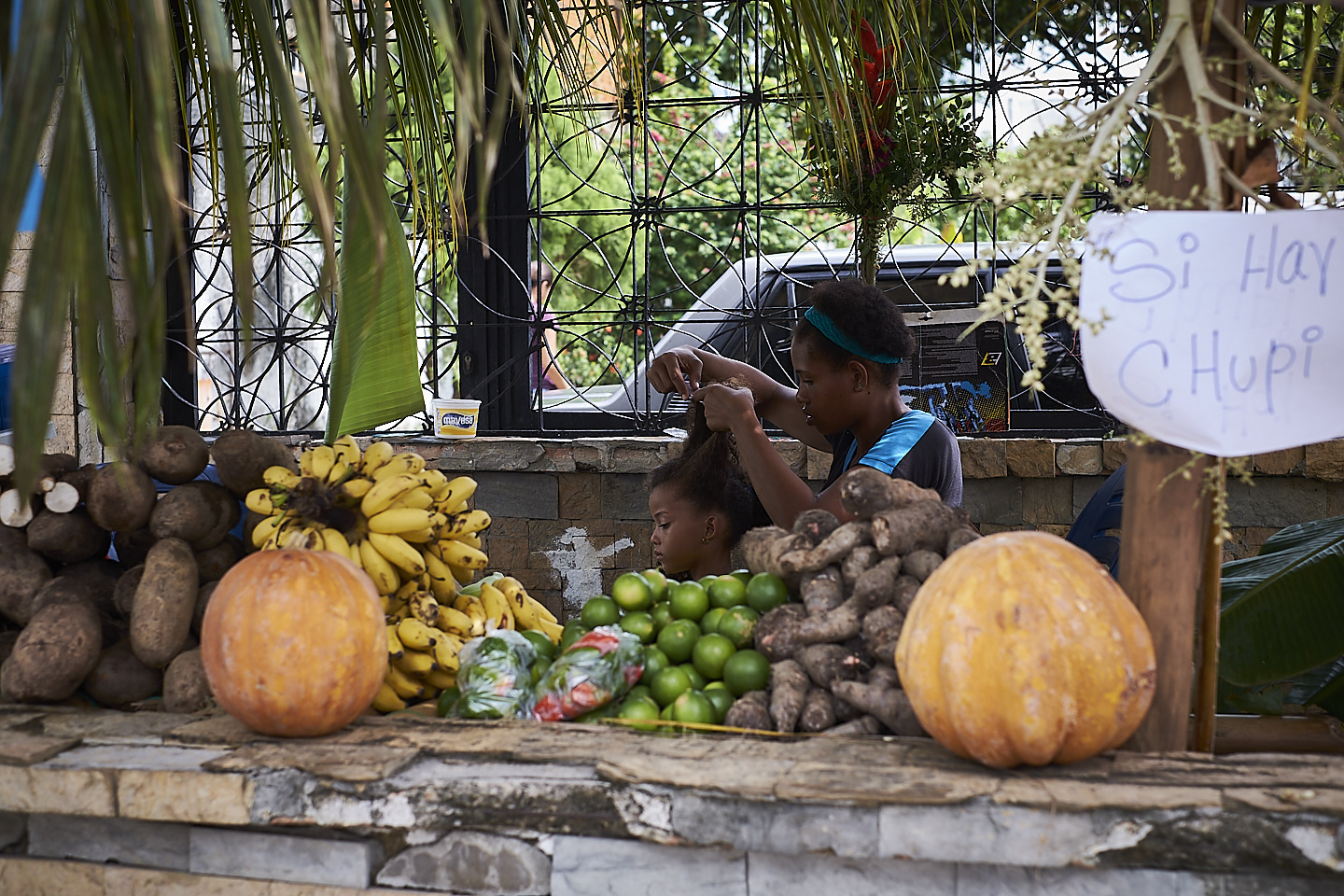
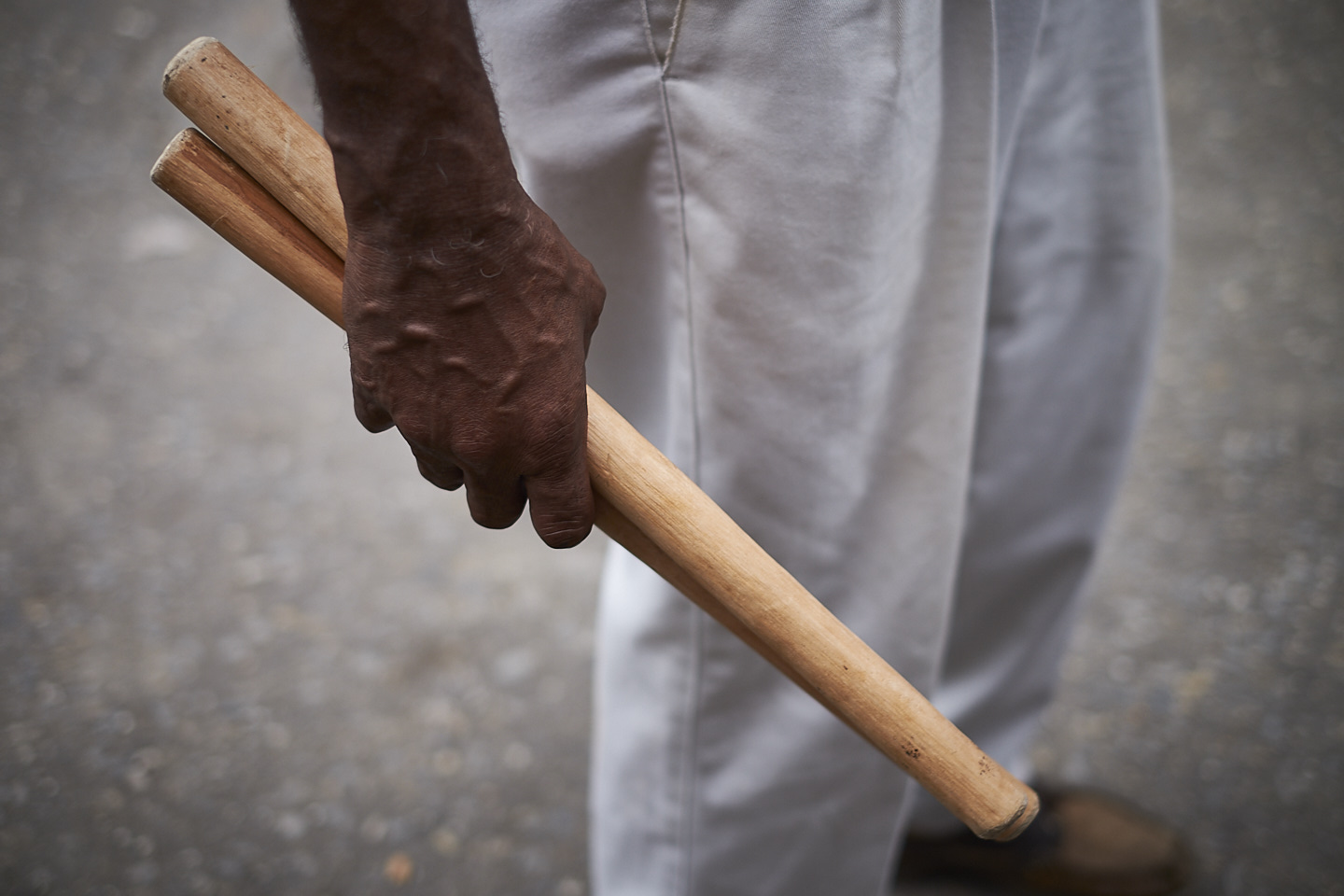
What stayed with me most was the people. Curiepe opened itself to me with an extraordinary sense of warmth. People were generous, affectionate, and willing to let me enter their celebration with a camera. That openness changed the way I photographed. I was not interested in simply collecting spectacular images of drums, dancing, or crowds. I wanted to understand the relationship between the people and the saint, and the way that relationship could be seen in a face, a gesture, a hand, a prayer, or the way someone looked at the image of San Juan.
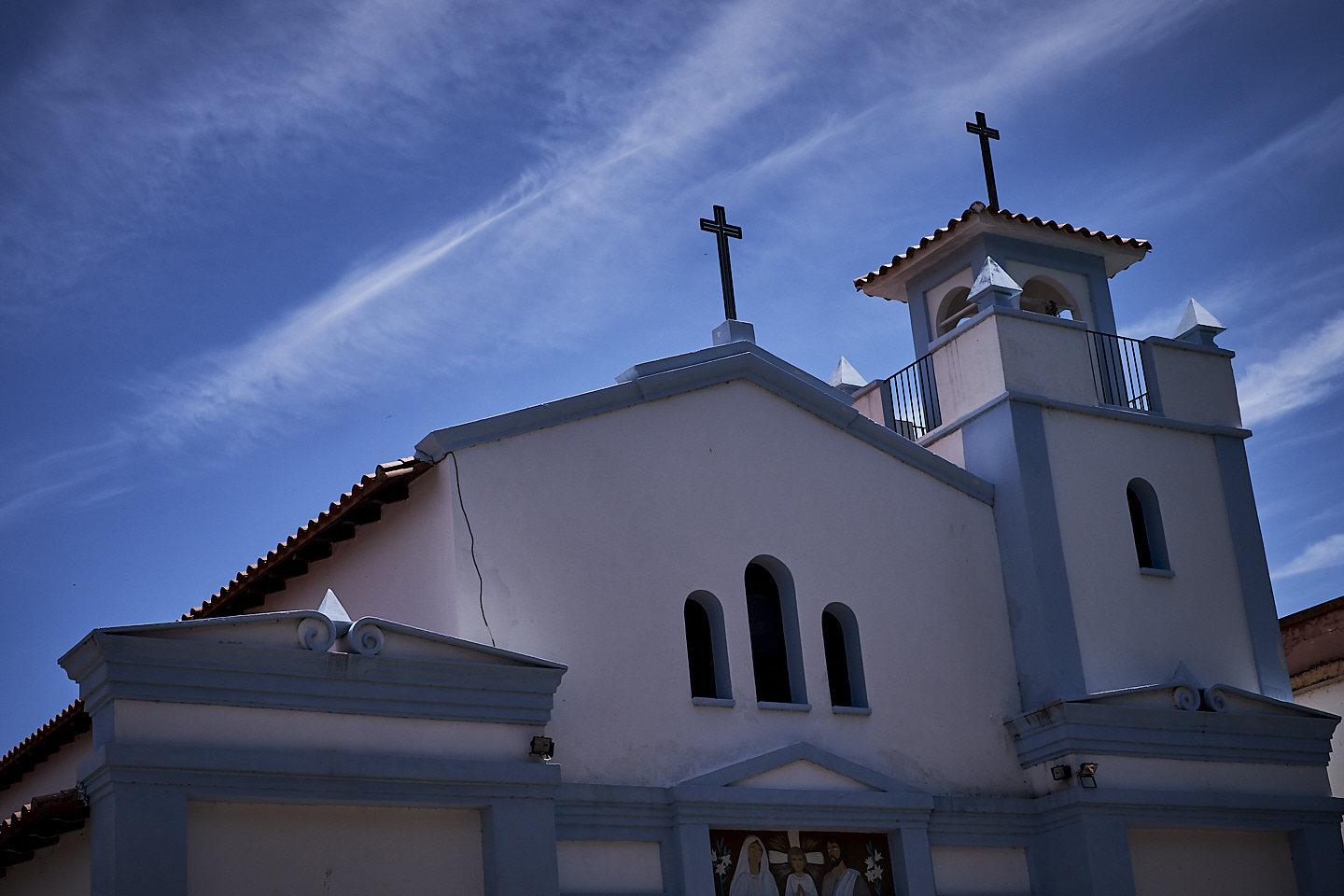
Then comes the moment when San Juan leaves the church.
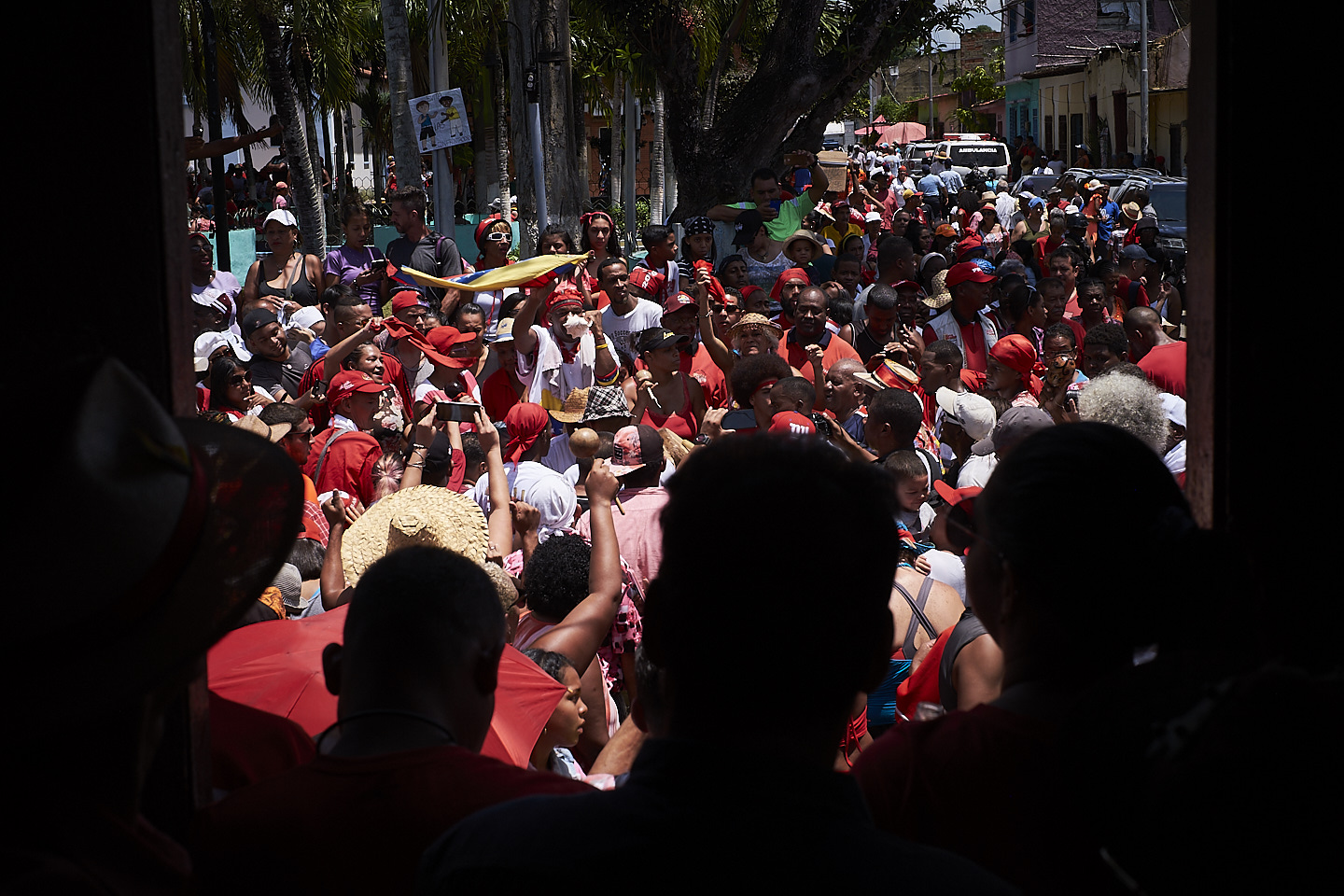
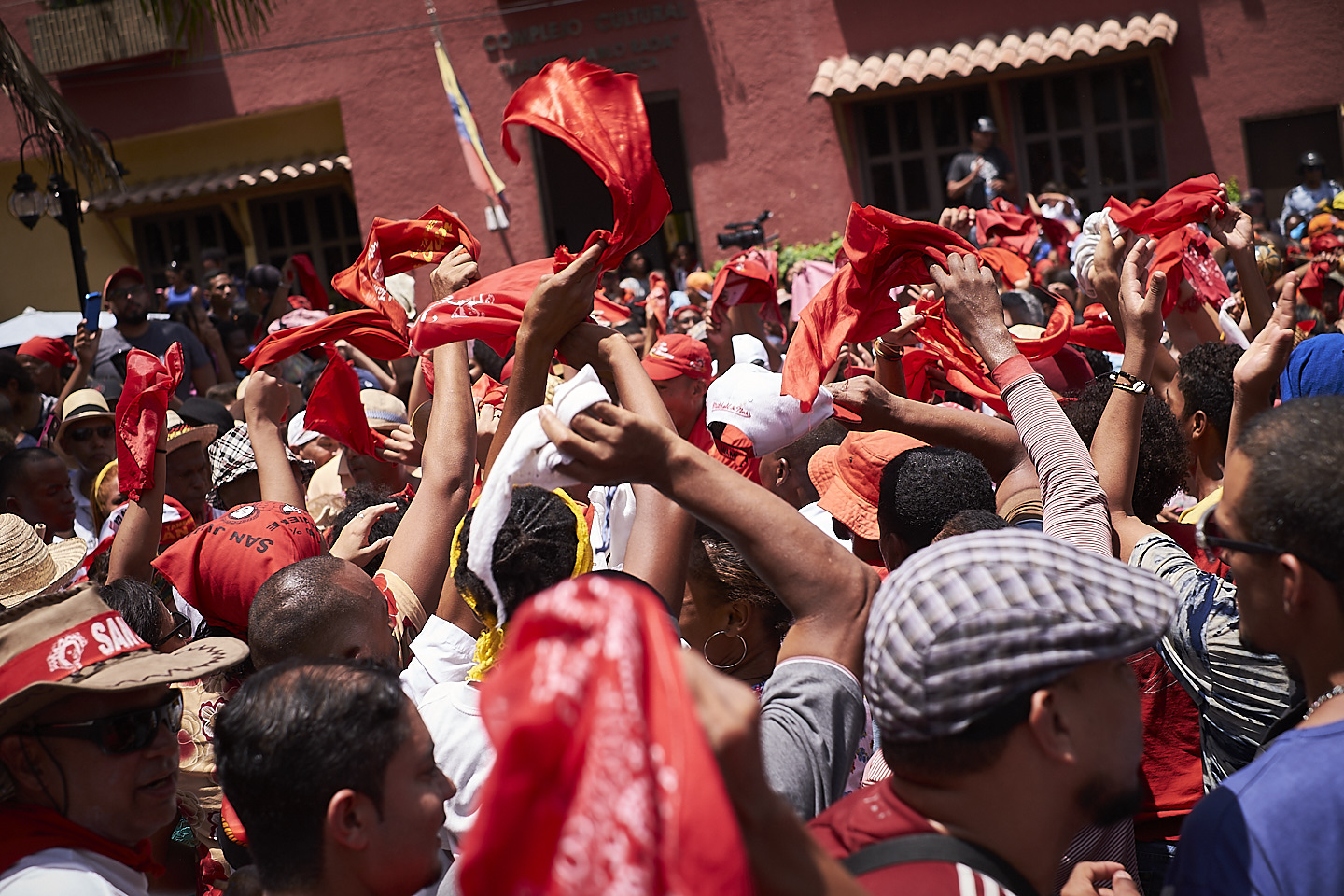
There is a change in the atmosphere that is difficult to explain to someone who has never experienced it. The waiting, the heat, the drums, the prayers, the anticipation—all of it seems to accumulate until the doors open and the saint appears. Then the crowd erupts. People move toward him, drums intensify, voices rise, bodies begin to dance, and the entire town seems to become part of the same emotional movement.
As a photographer, this is one of those moments when technique becomes secondary. You can prepare your camera, anticipate the light, choose your position, and try to predict where the action will happen, but you cannot manufacture what is happening in front of you. The emotion belongs to the people. My responsibility is to recognize it when it appears and be ready to preserve it.
That is what brought me back to Curiepe year after year.
The celebration is not static. It is a tradition continually recreated by the people who participate in it. Its knowledge and practices are passed through families, community groups, and younger generations, keeping alive a cultural expression that has survived for centuries.
Photographing San Juan de Curiepe taught me that documentary photography is sometimes less about looking for an image and more about allowing yourself to remain present long enough for something genuine to happen.
In Curiepe, I found faith expressed through movement, music, sweat, color, devotion, and human connection. I found a community that welcomed me year after year. And I found moments that could not be fully explained by a photograph, but that a photograph could still preserve.
For me, these images are not simply a record of a Venezuelan tradition. They are a record of the people who continue to give that tradition life.