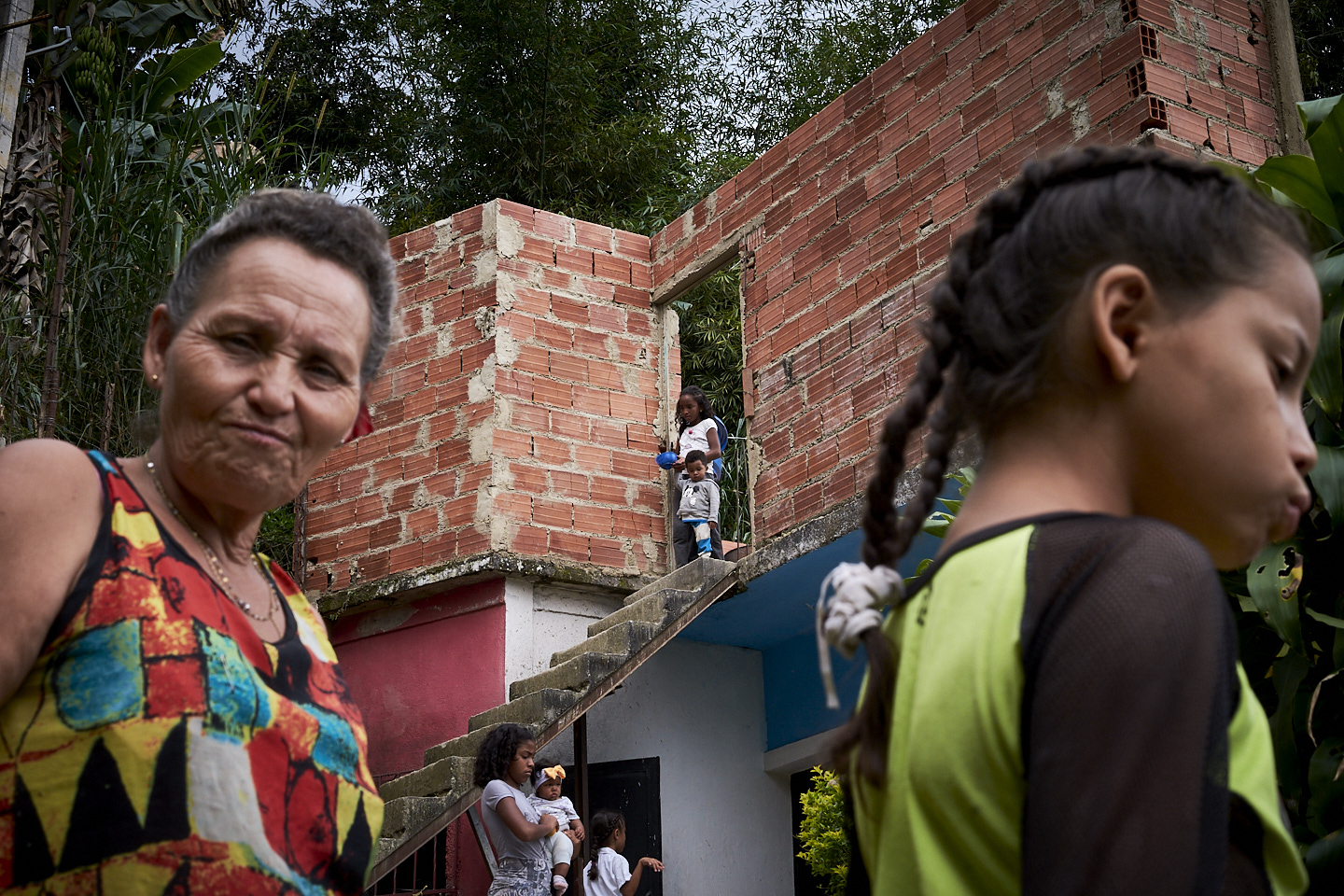
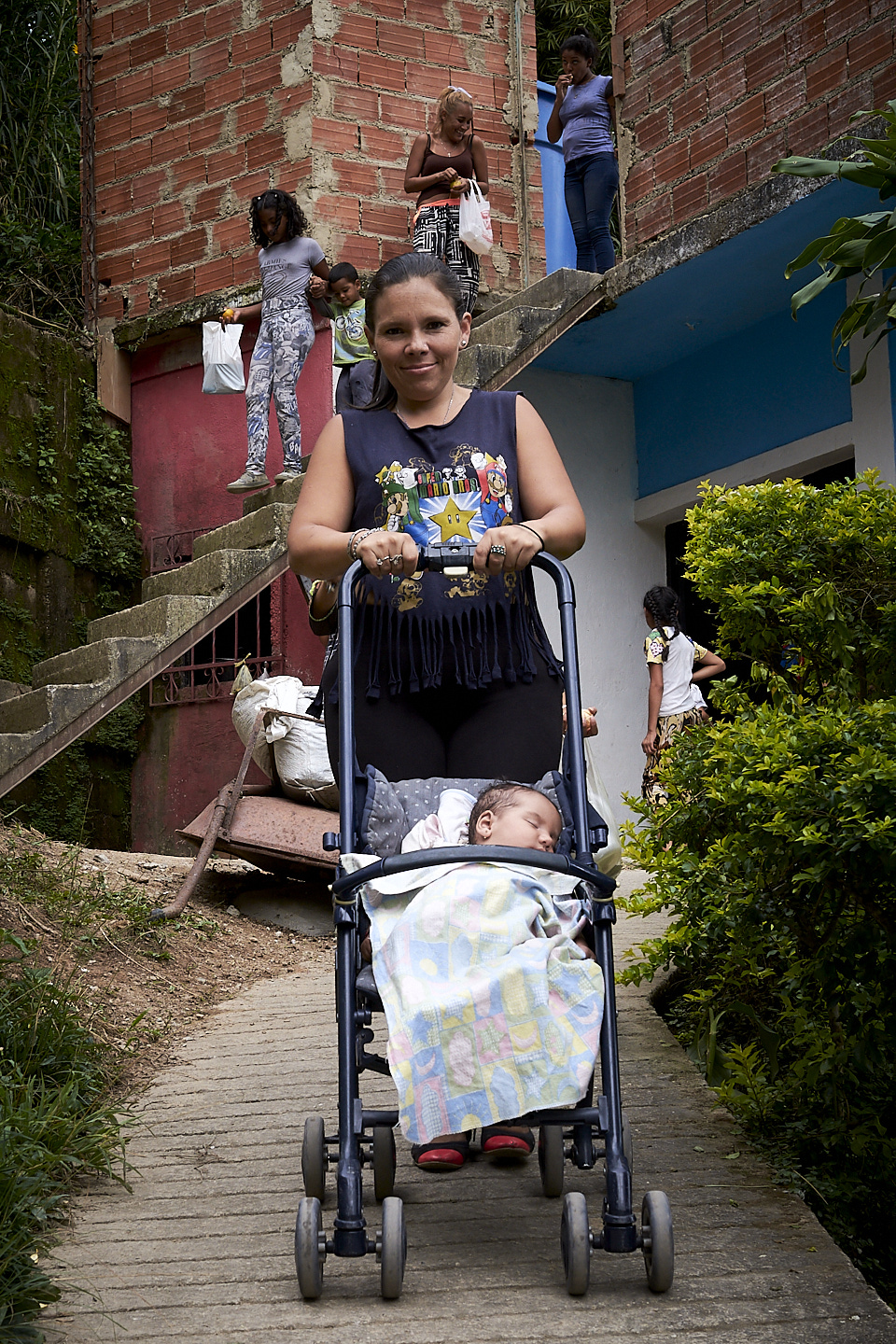
In Sisipa, entering the community was not simply a matter of driving in. It meant entering a territory where criminal groups exercised control over movement and where every arrival had to be reported in advance.
Before we could enter, our vehicle, license plate, the number of people traveling with us, their names and identification numbers, the length of our stay, and our destination all had to be communicated. Entering without authorization could have serious consequences. We were told that vehicles entering without being reported could be shot at.
Along the road, there were people monitoring who entered and left, as well as the vehicles moving through the area. We were able to enter because we were accompanied by someone who had an established contact in the community. Before our arrival, she made the necessary calls and provided the information required for us to pass through.
Yet the reason for our visit was far removed from the violence surrounding the community.
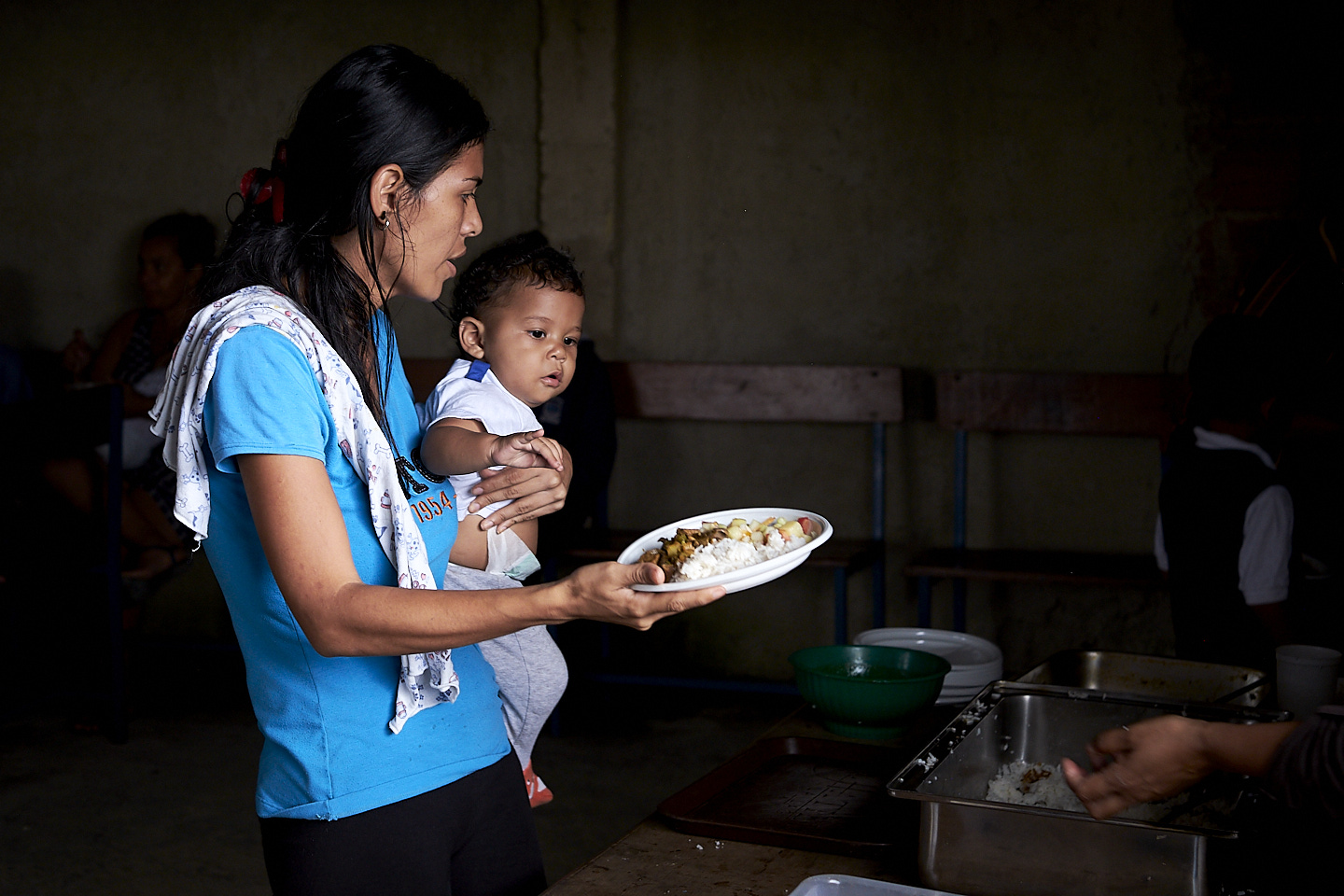
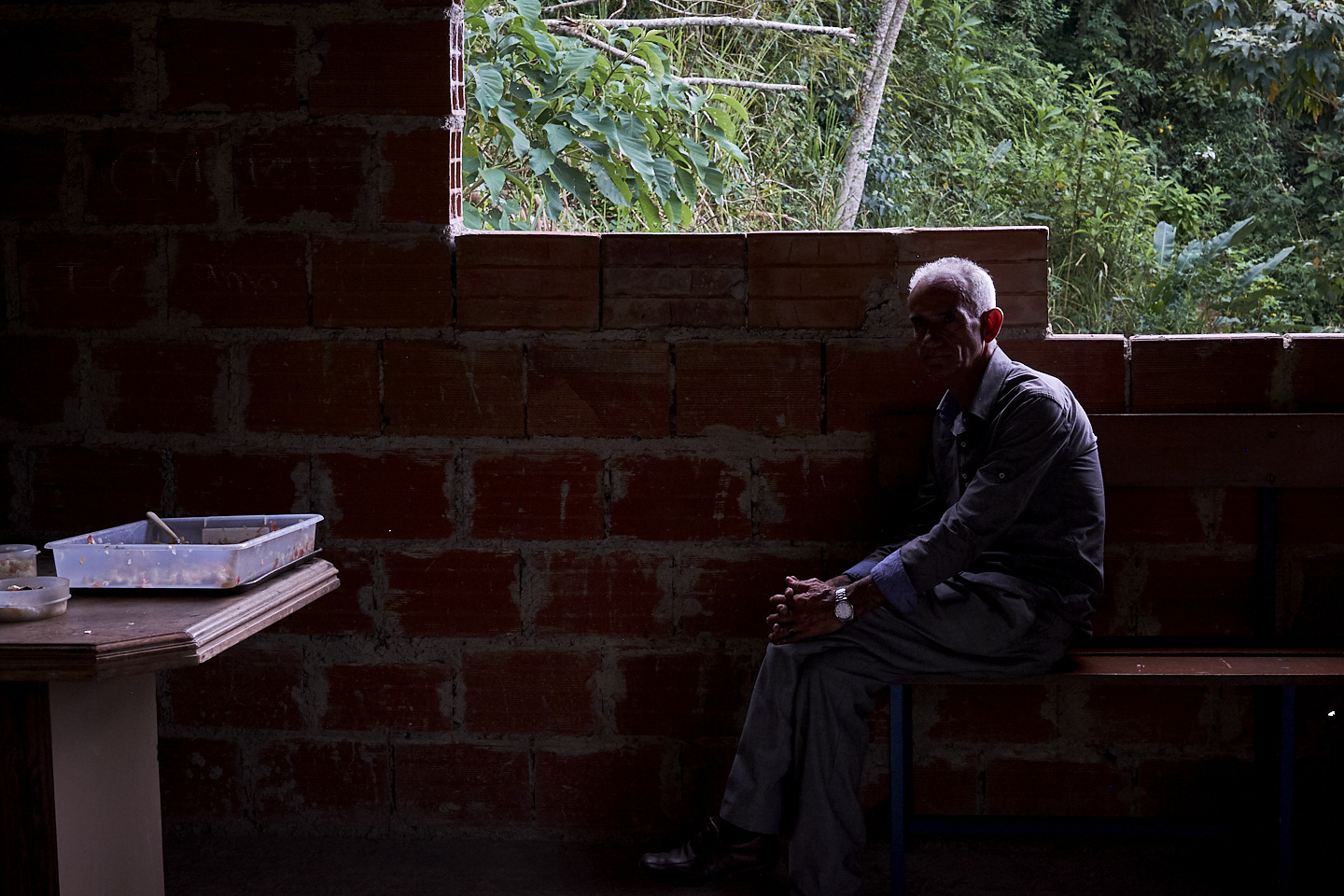
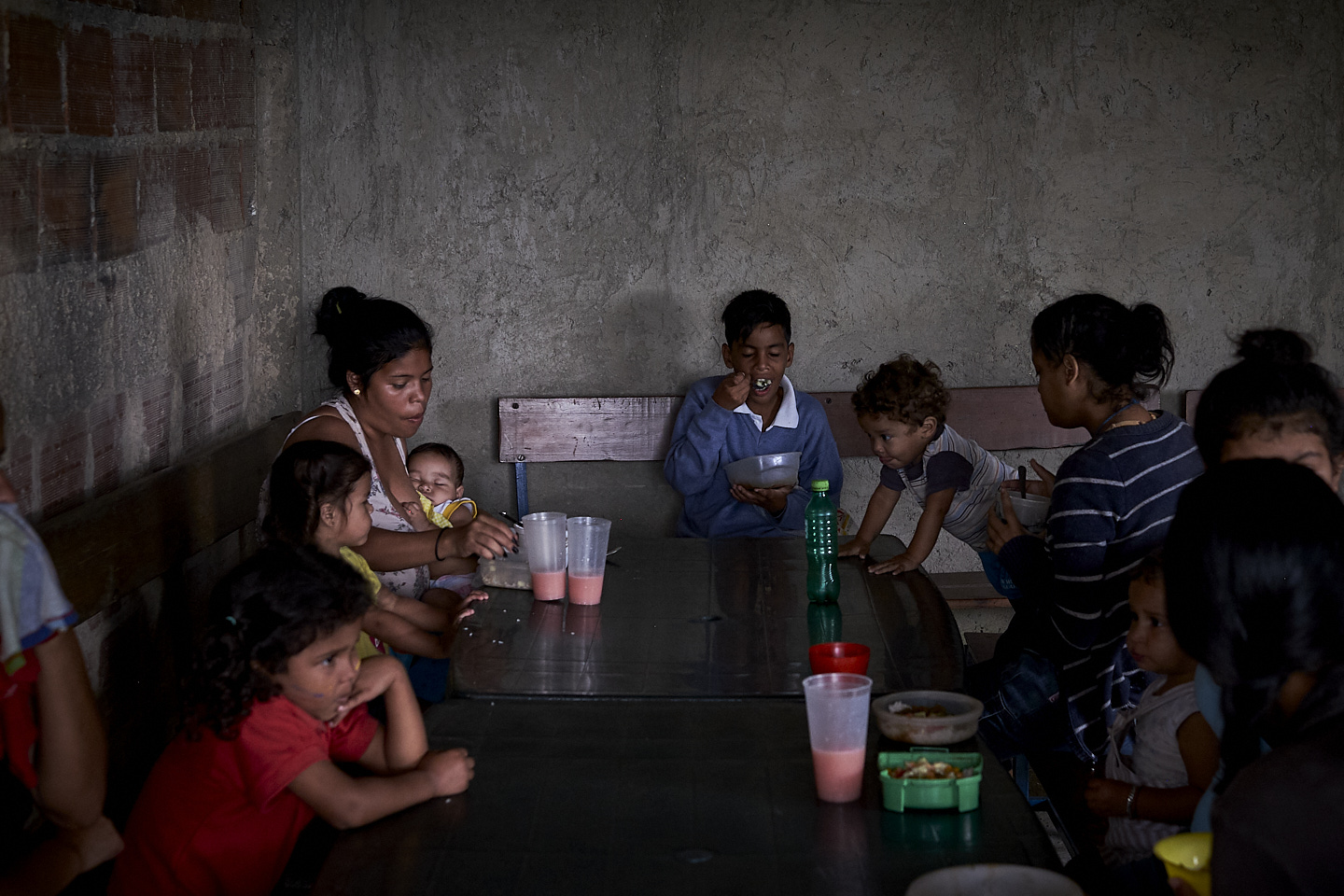
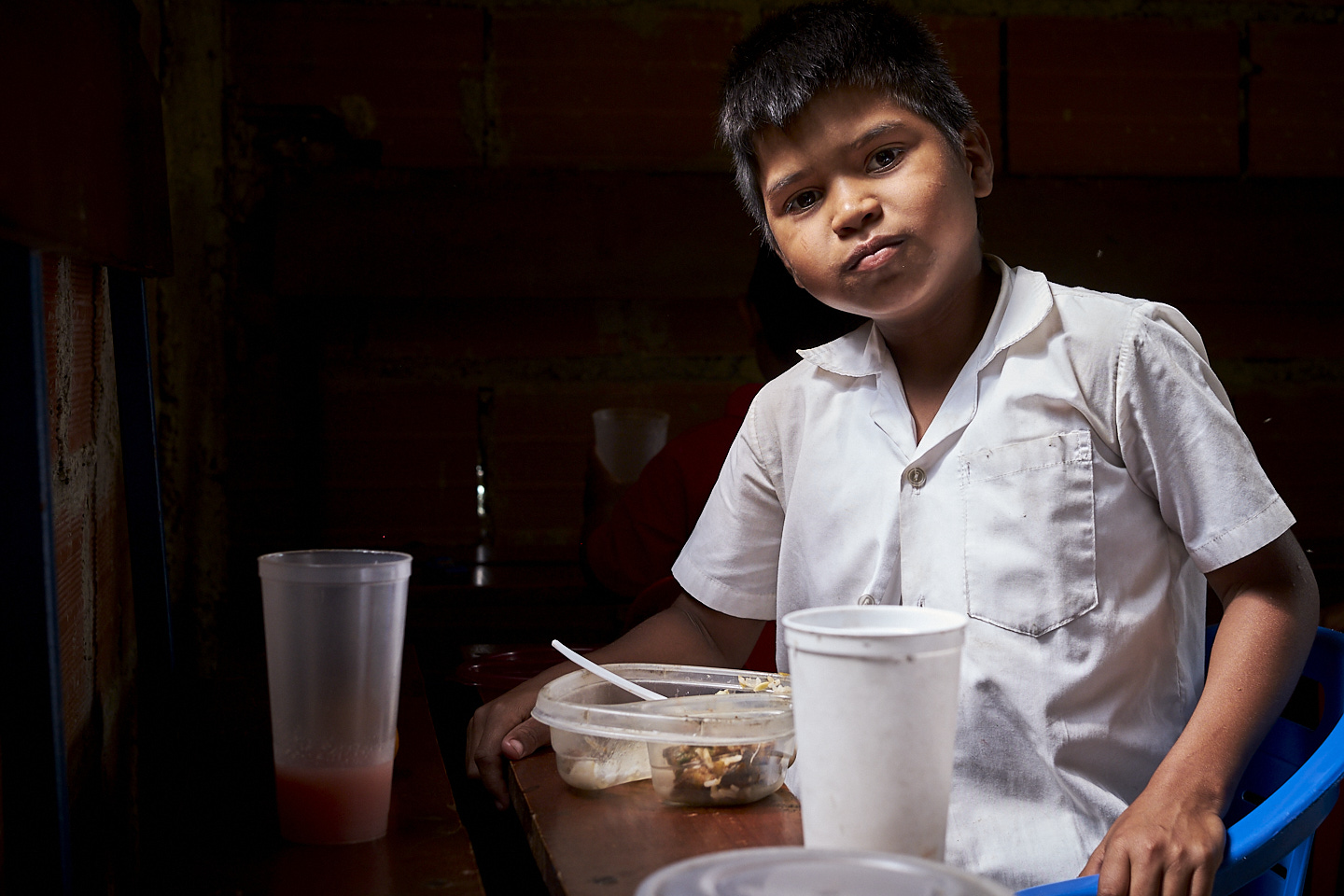
We were going to a small community dining hall created to serve children from a nearby school. The project had been funded by a church that wanted to provide meals to children after school and, in some cases, to older residents as well.
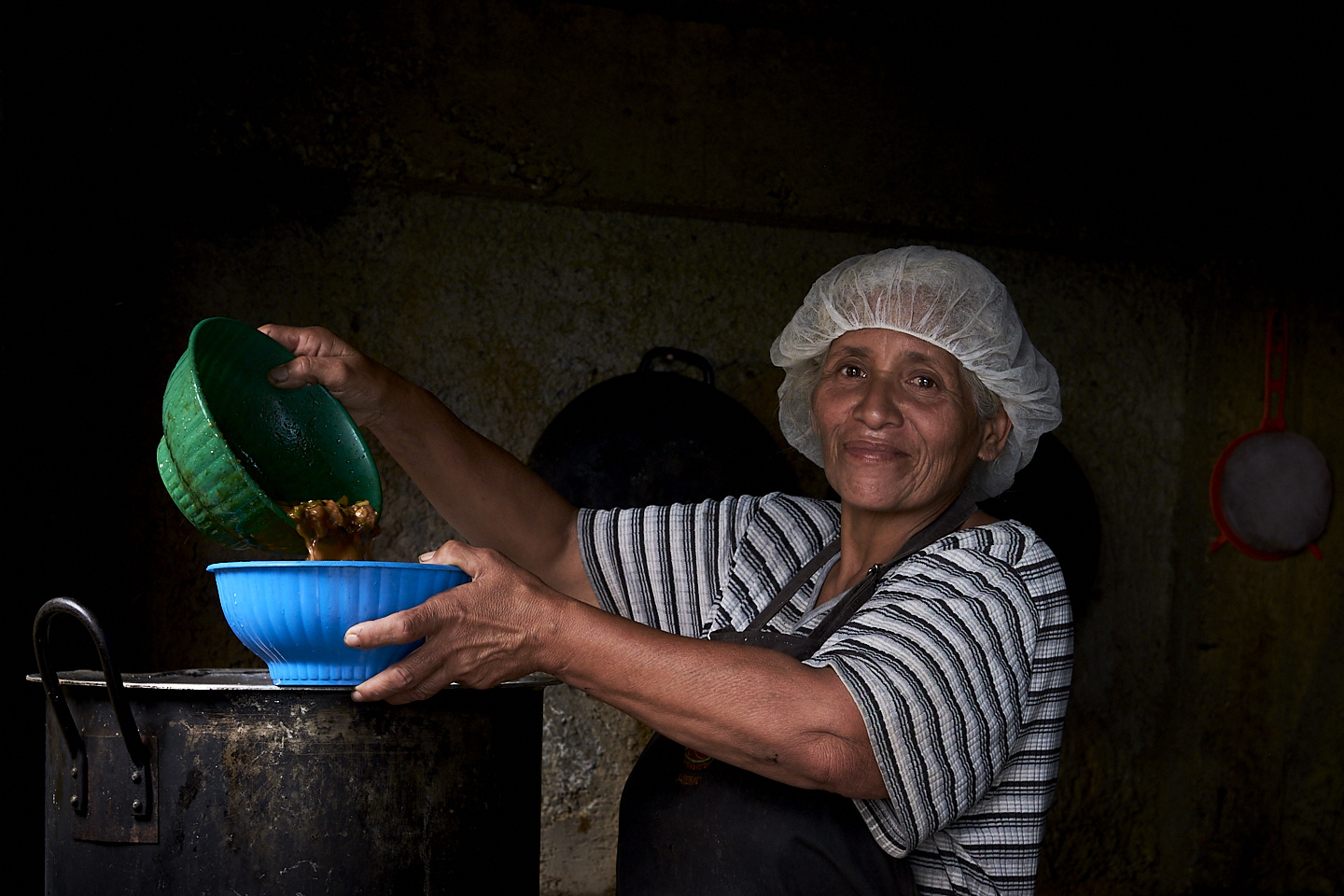
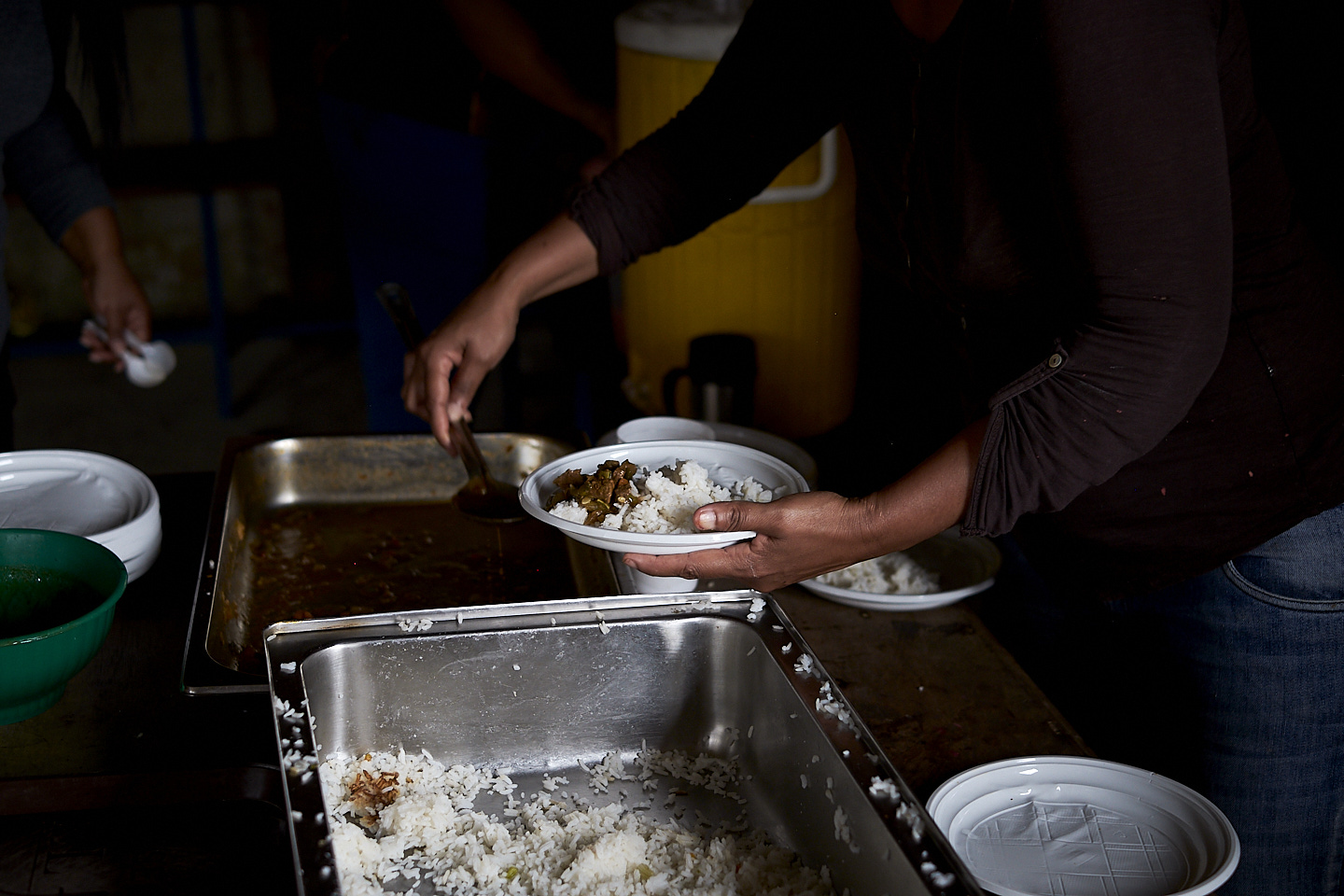
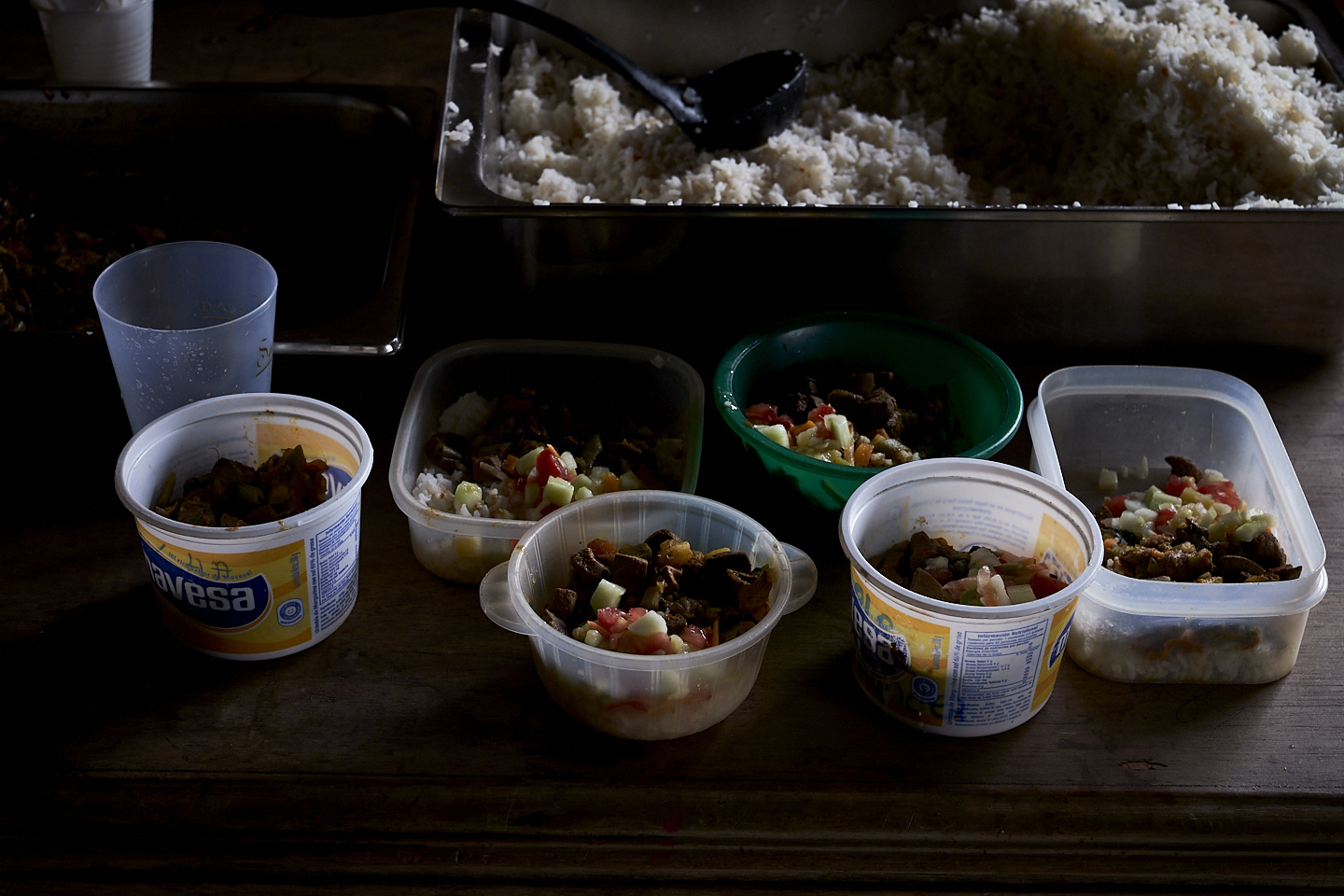
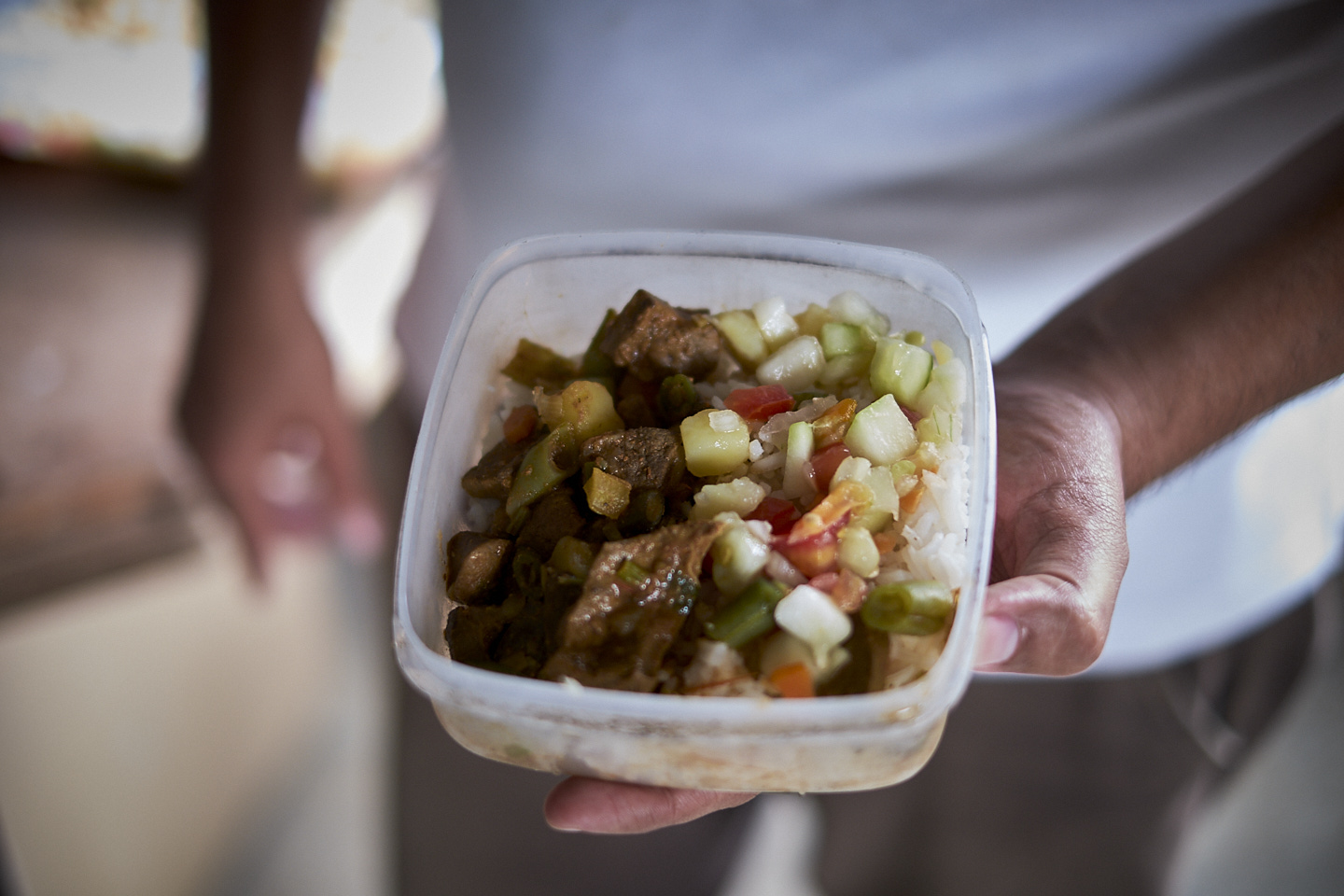
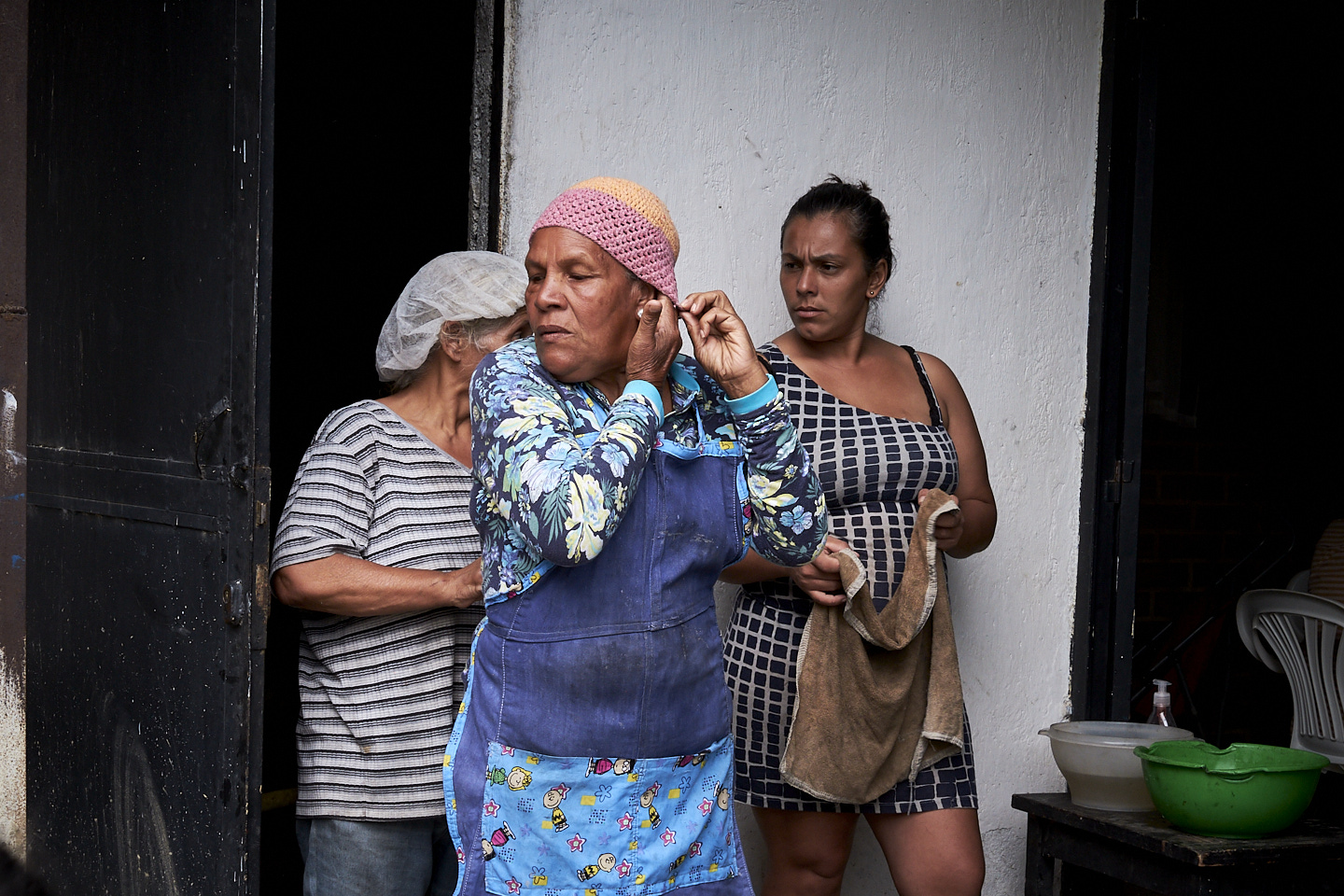
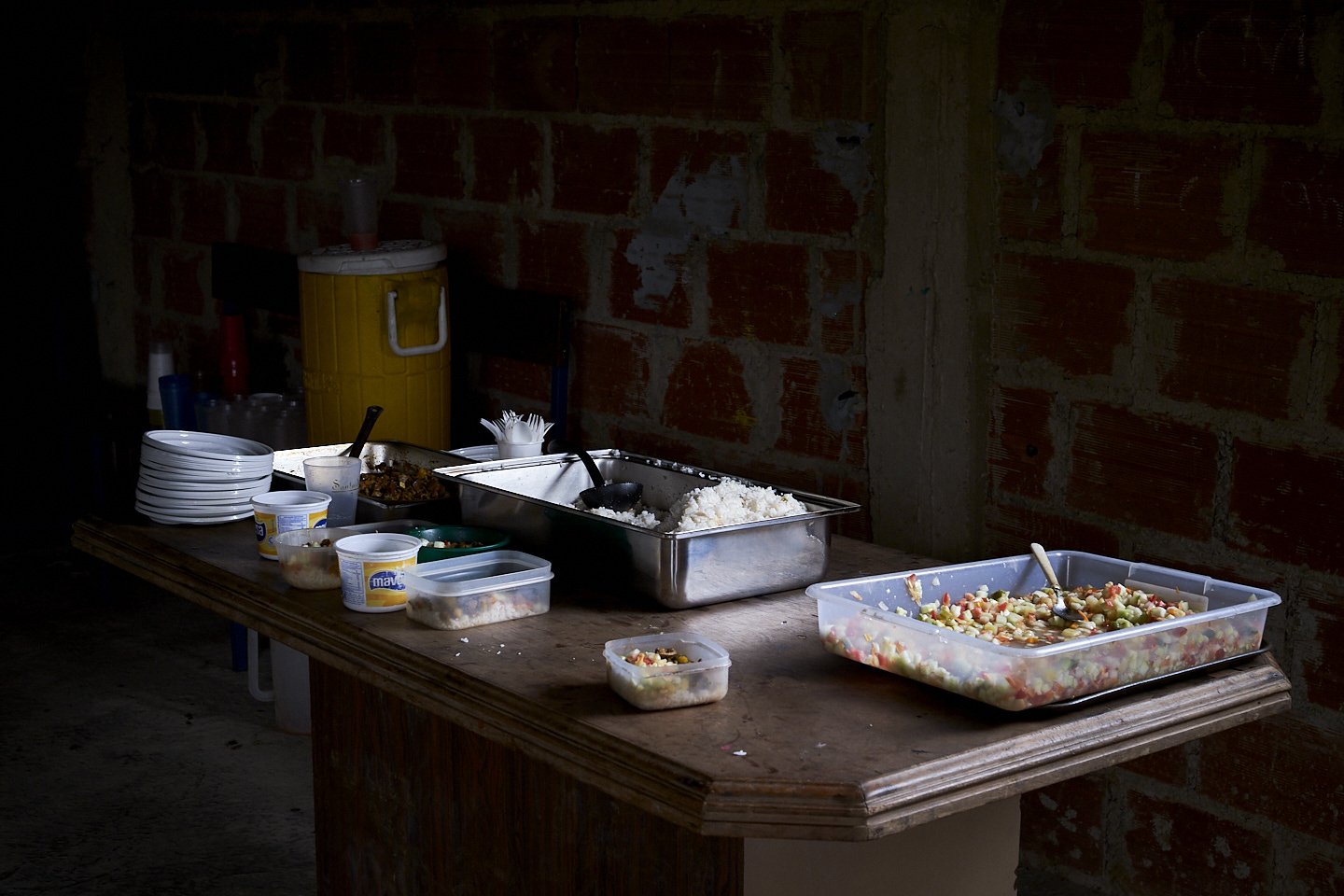
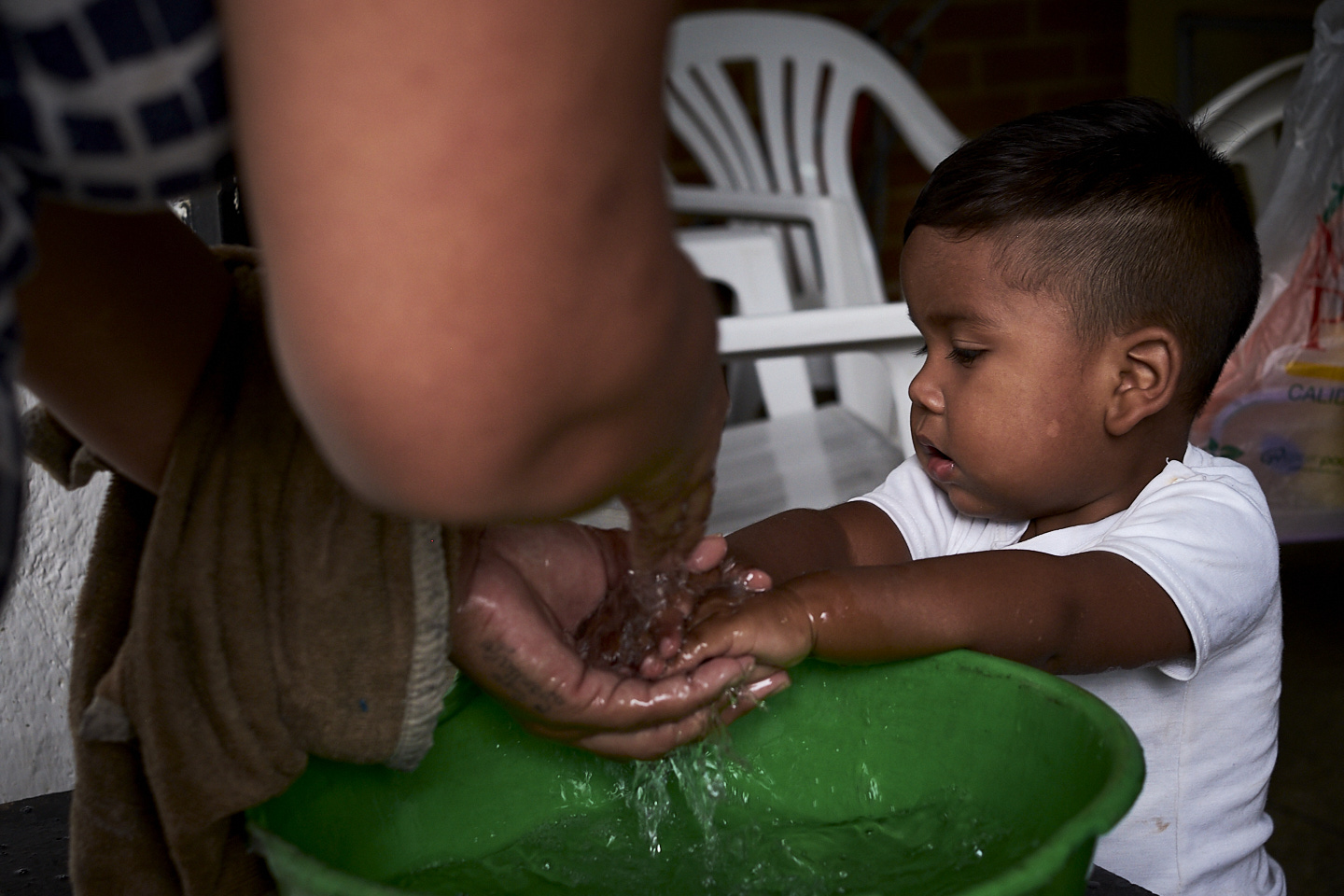
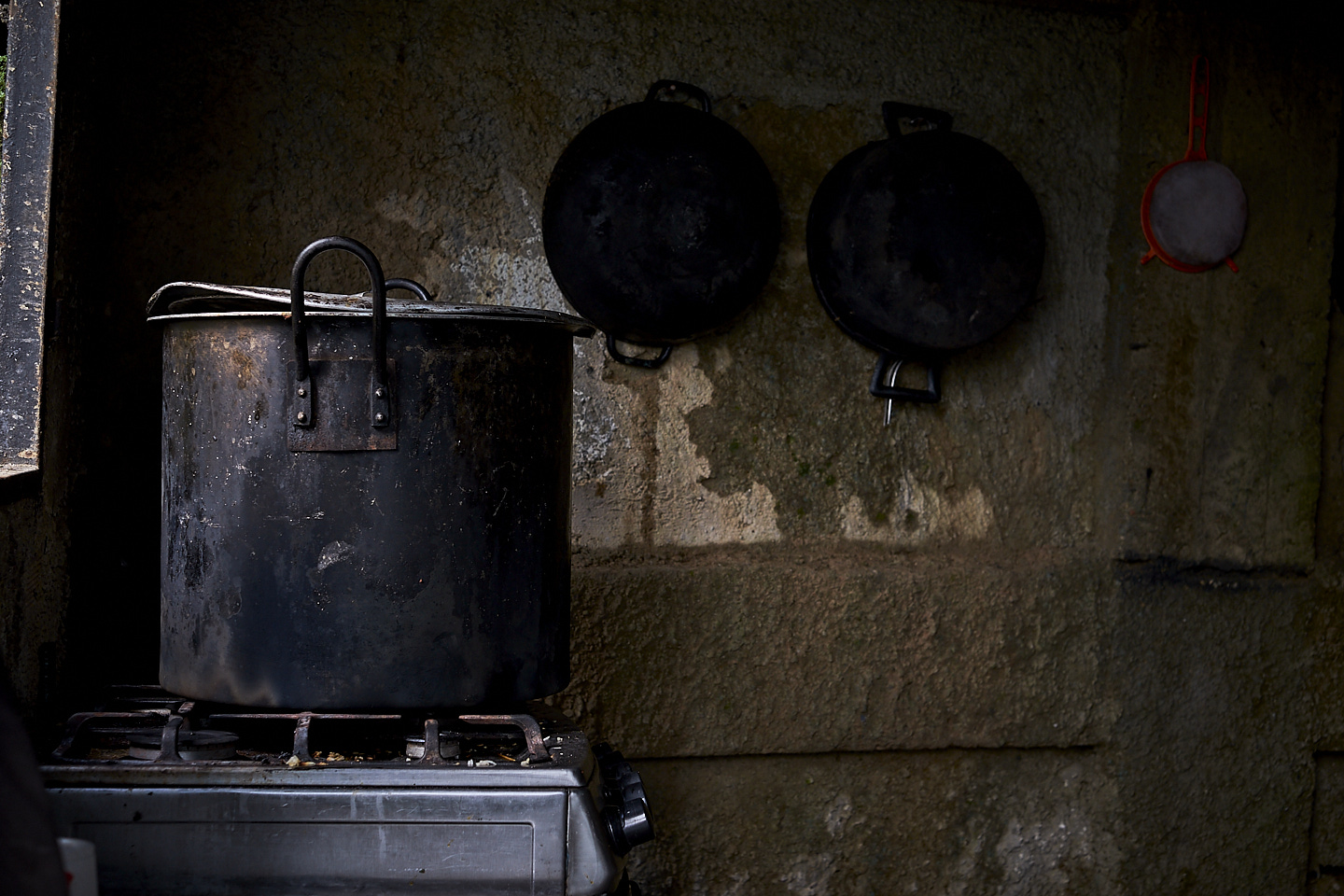
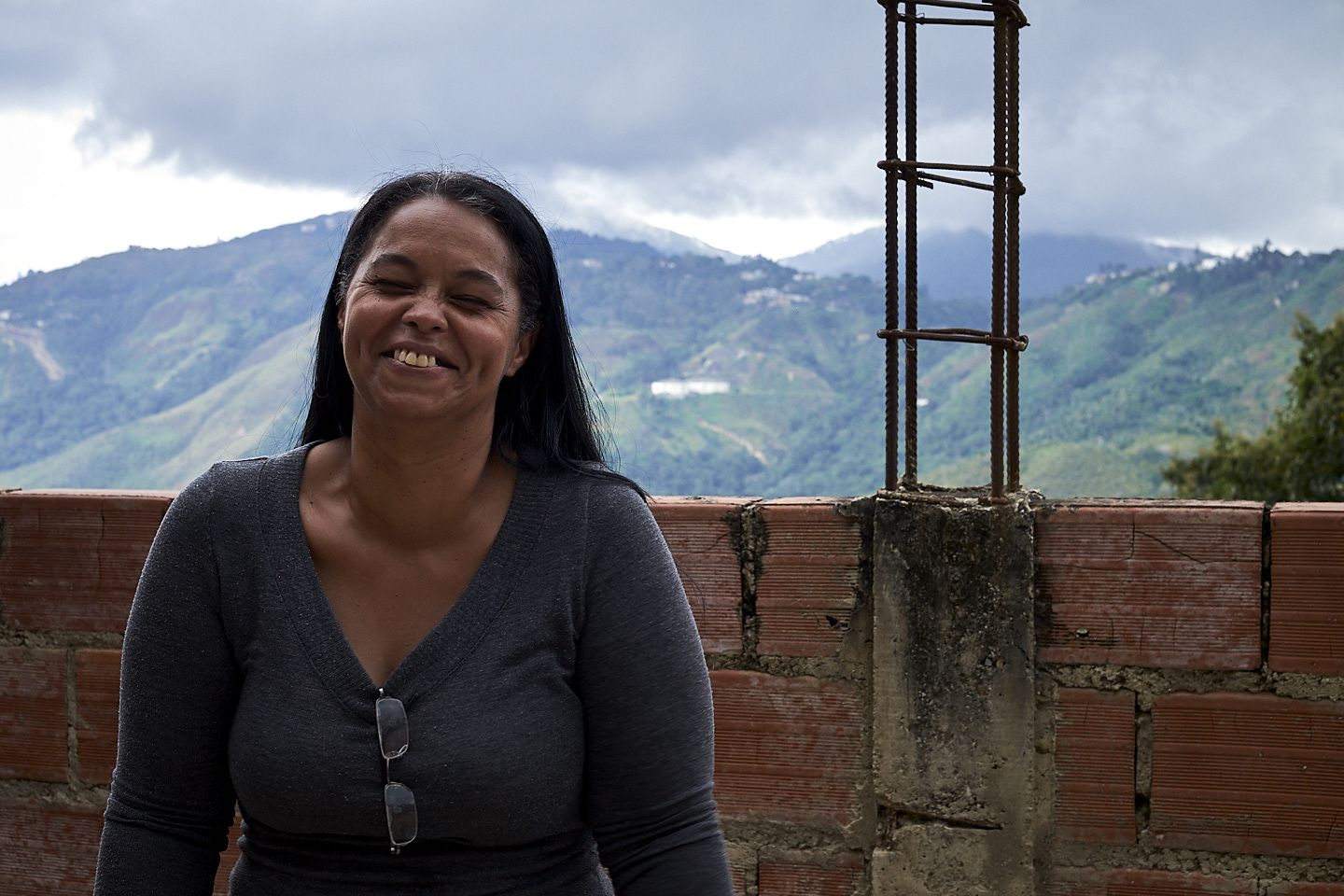
The dining hall operated through the work of volunteers. They cooked, prepared drinks, served the food, and kept the space running with whatever resources were available. The conditions were extremely precarious. There were no basic services, and the facilities were limited, but the place served an essential purpose: providing a meal to people who needed one.
What stayed with me was the contrast between the world outside and the space inside.
To reach the dining hall, we had passed through an informal system of surveillance and control in which even the arrival of a vehicle had to be authorized. Inside, I found people doing something remarkably simple: cooking, serving food, and taking care of others.
As a photographer, I was interested in that contradiction. I did not want to photograph only the insecurity or the precarious conditions of the community. I also wanted to document the people who, despite those circumstances, had created a small space of solidarity.
The photographs from Sisipa are therefore not only about a community shaped by fear and control. They are also about the people who found ways to care for one another within that reality.
For me, documenting that dining hall was a way of looking beyond the most visible aspects of the place. What remained in my memory were the volunteers, the children, the food being prepared, and the effort required to keep the space functioning.
In a place where entering required permission, these people had created a space that existed for the opposite reason: a place where people could come in, sit down, eat, and be cared for.