El hermano Guayanés
Faith, illness and hope in Petare’s “Alley of the Witches”
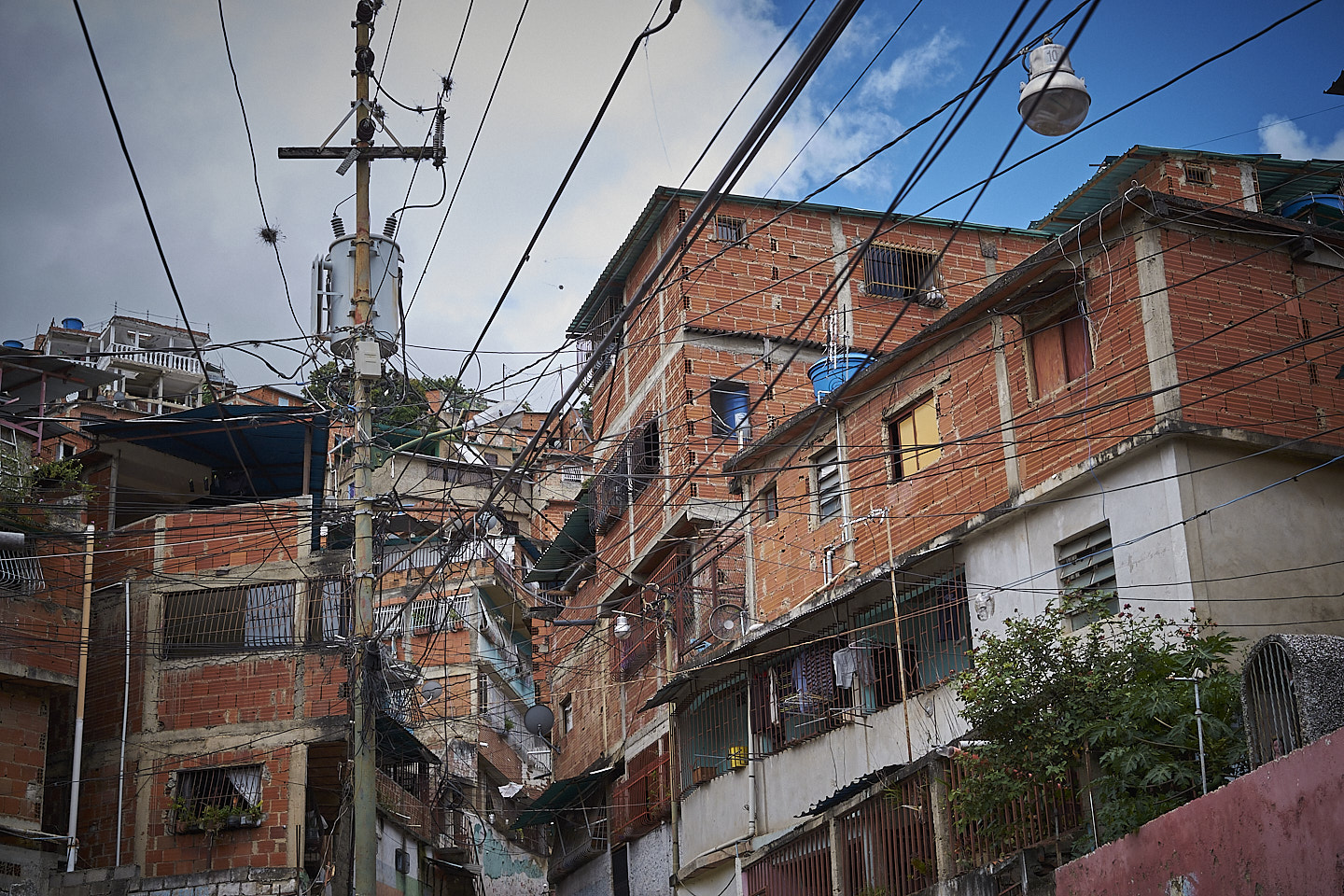
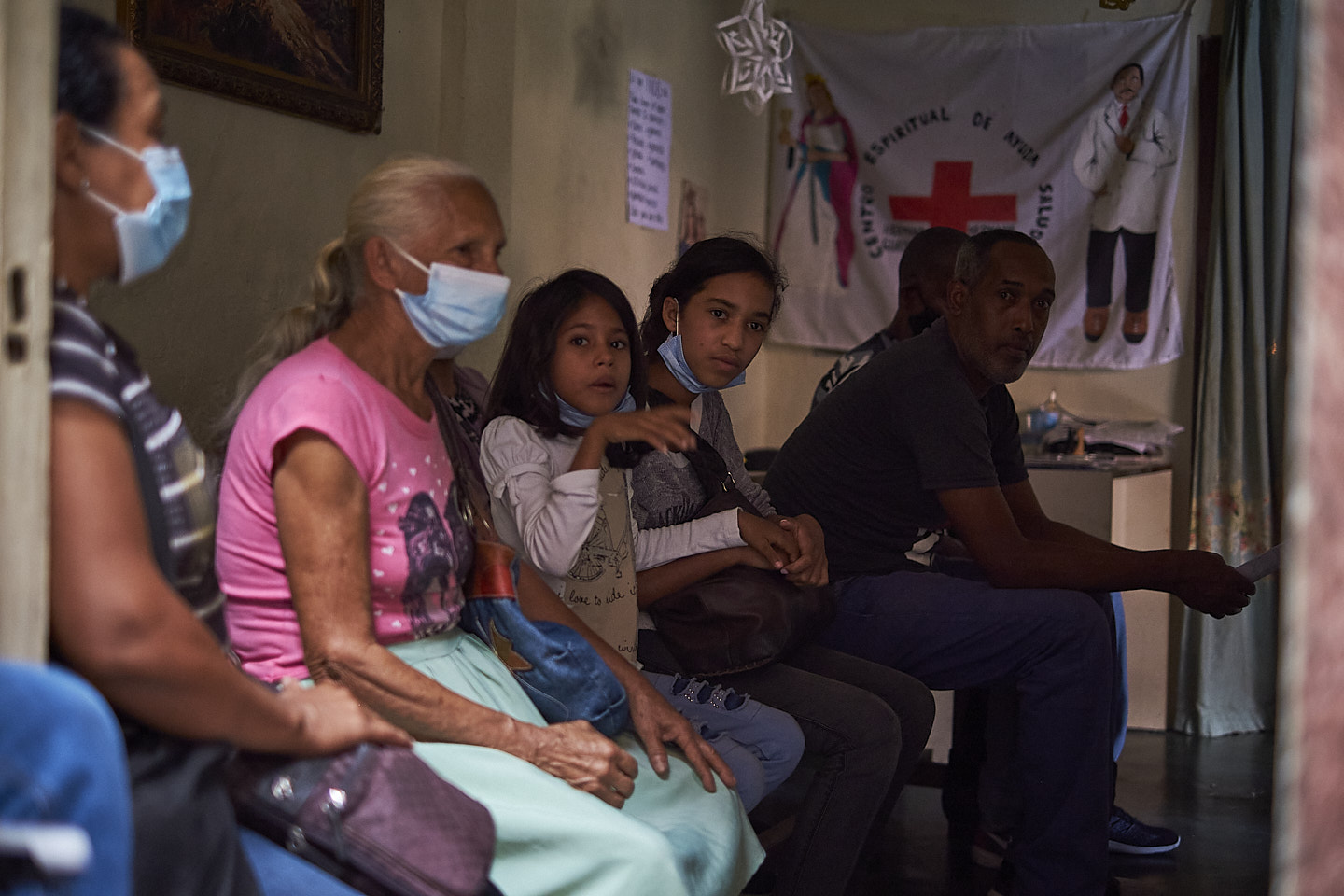
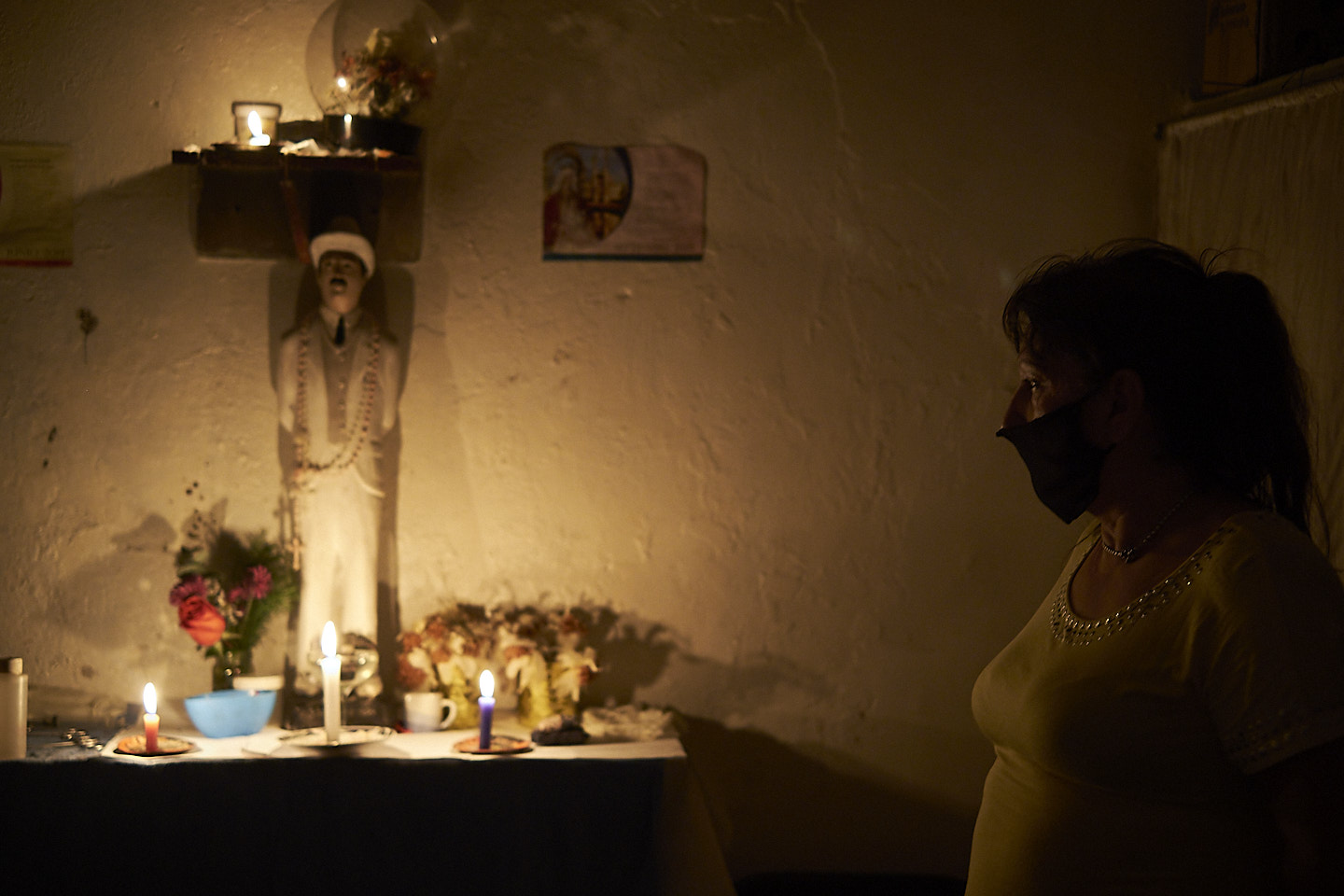
Petare, Caracas — September 2021. On a street in Zone 7 of José Félix Ribas, sick people and families looking for answers wait outside spiritual centers. Inside, some believe those answers may come through a spirit.
In Petare, there is a street officially known as Santa Eduvigis that has been called the “Callejón de los Brujos,” or “Alley of the Witches,” for years. It is located in Zone 7 of the José Félix Ribas neighborhood, east of Caracas. Spiritual centers and practices associated with espiritismo and spiritual healing have been documented there by Venezuelan and international media for years.
I went there in September 2021 with Venezuelan journalist Román Camacho, a friend I have known for many years. We were working on the same story, each with our own cameras and our own photographs and video.
I was not looking for a story about the supernatural.
I went to photograph the people who came there looking for an answer.
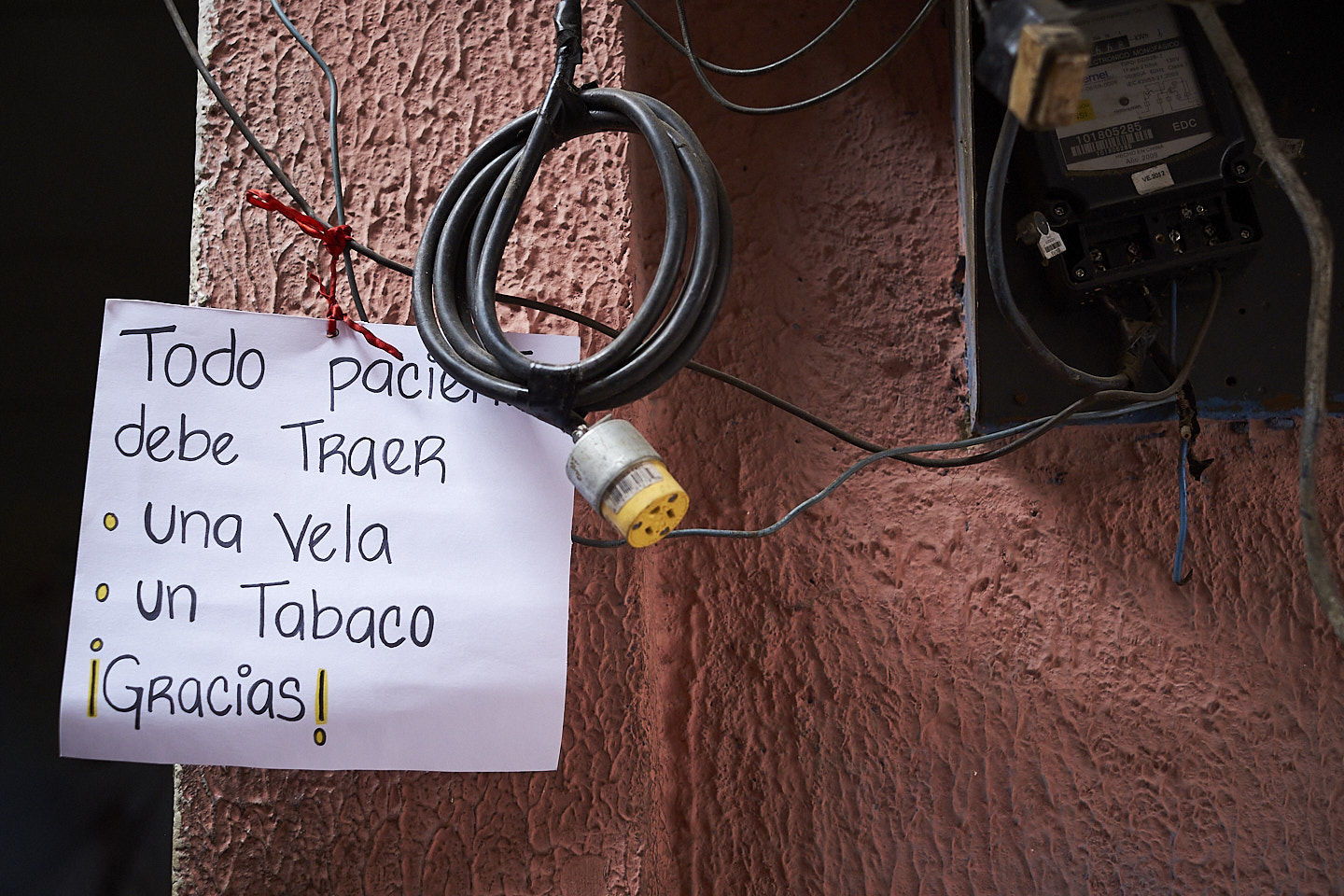
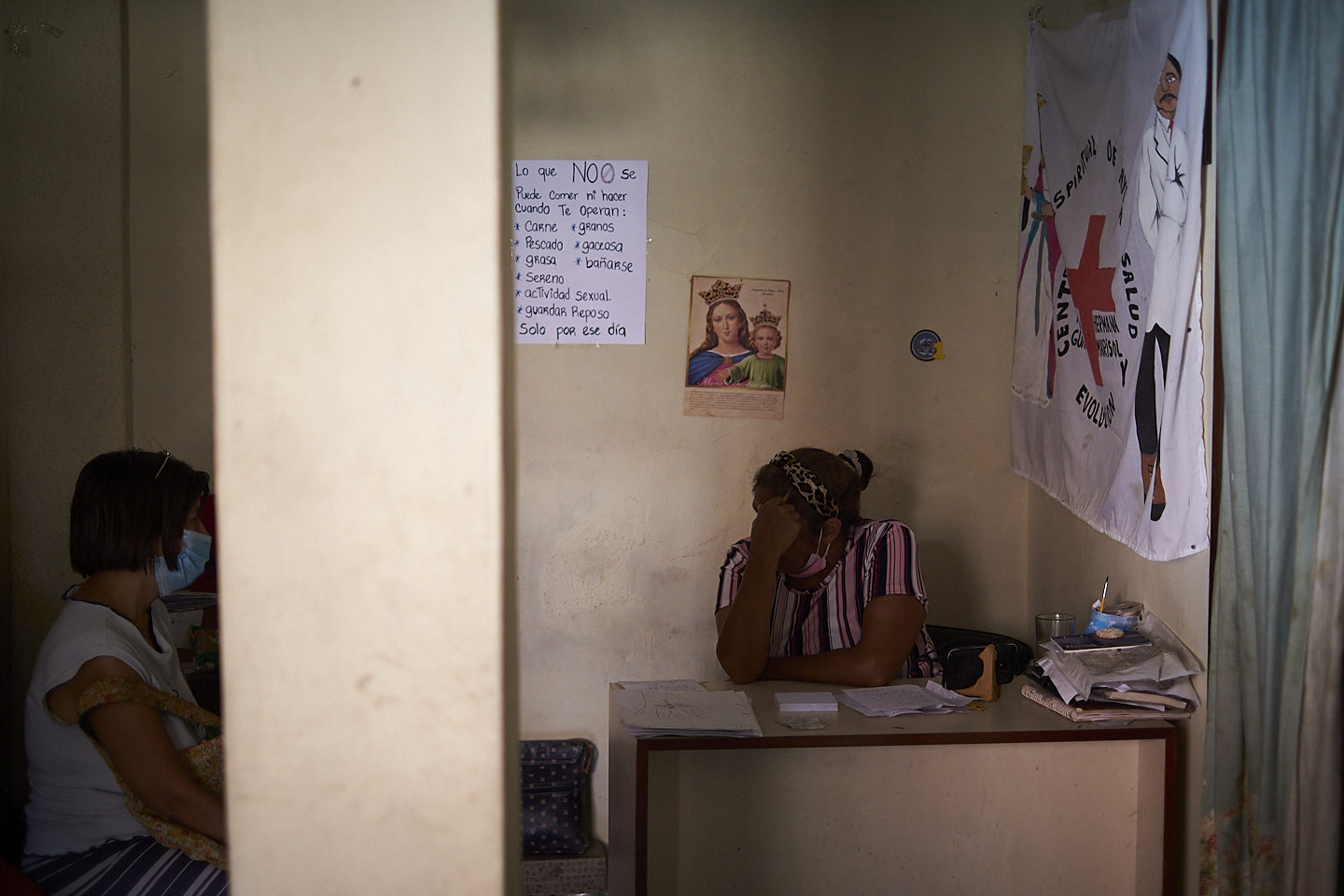
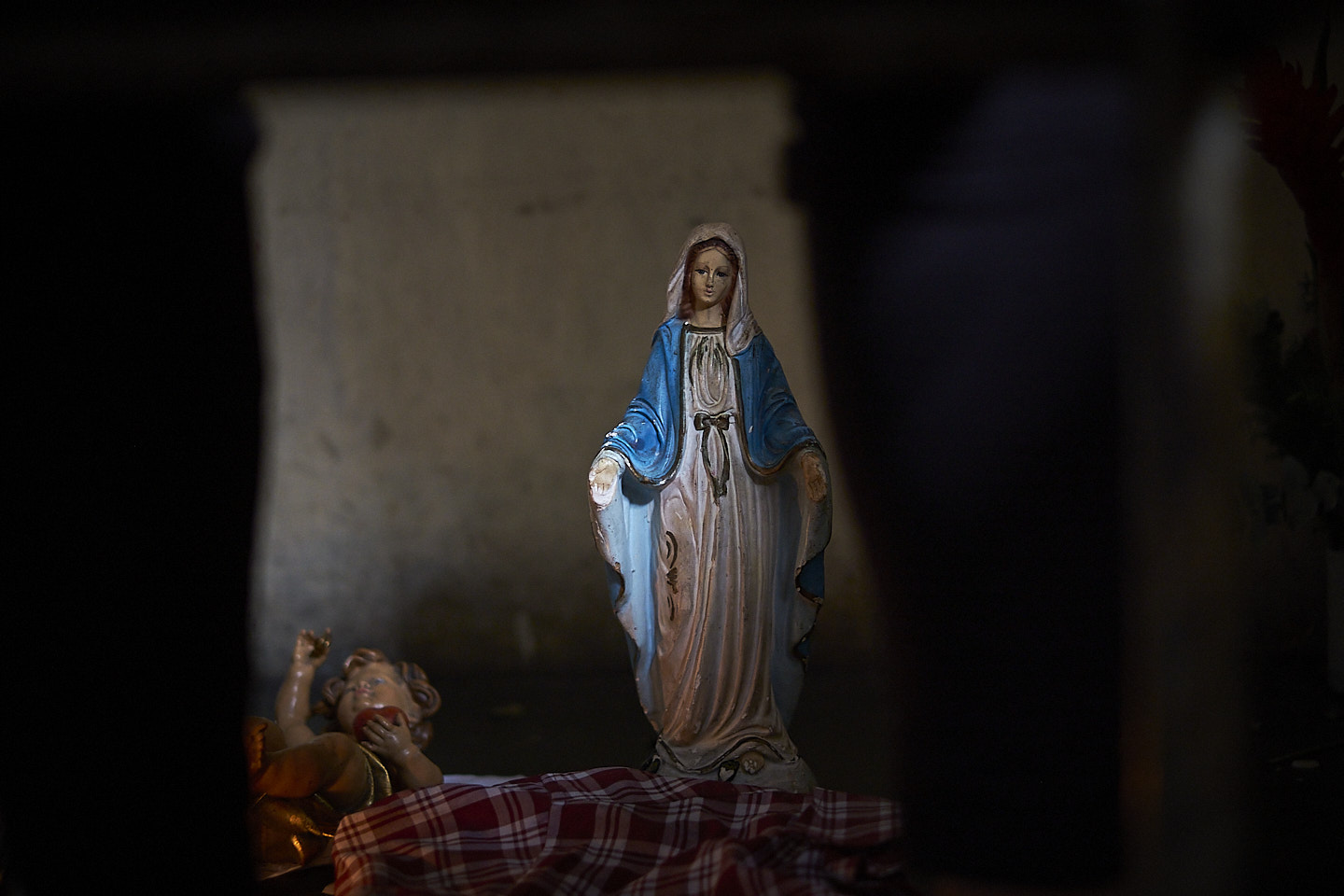
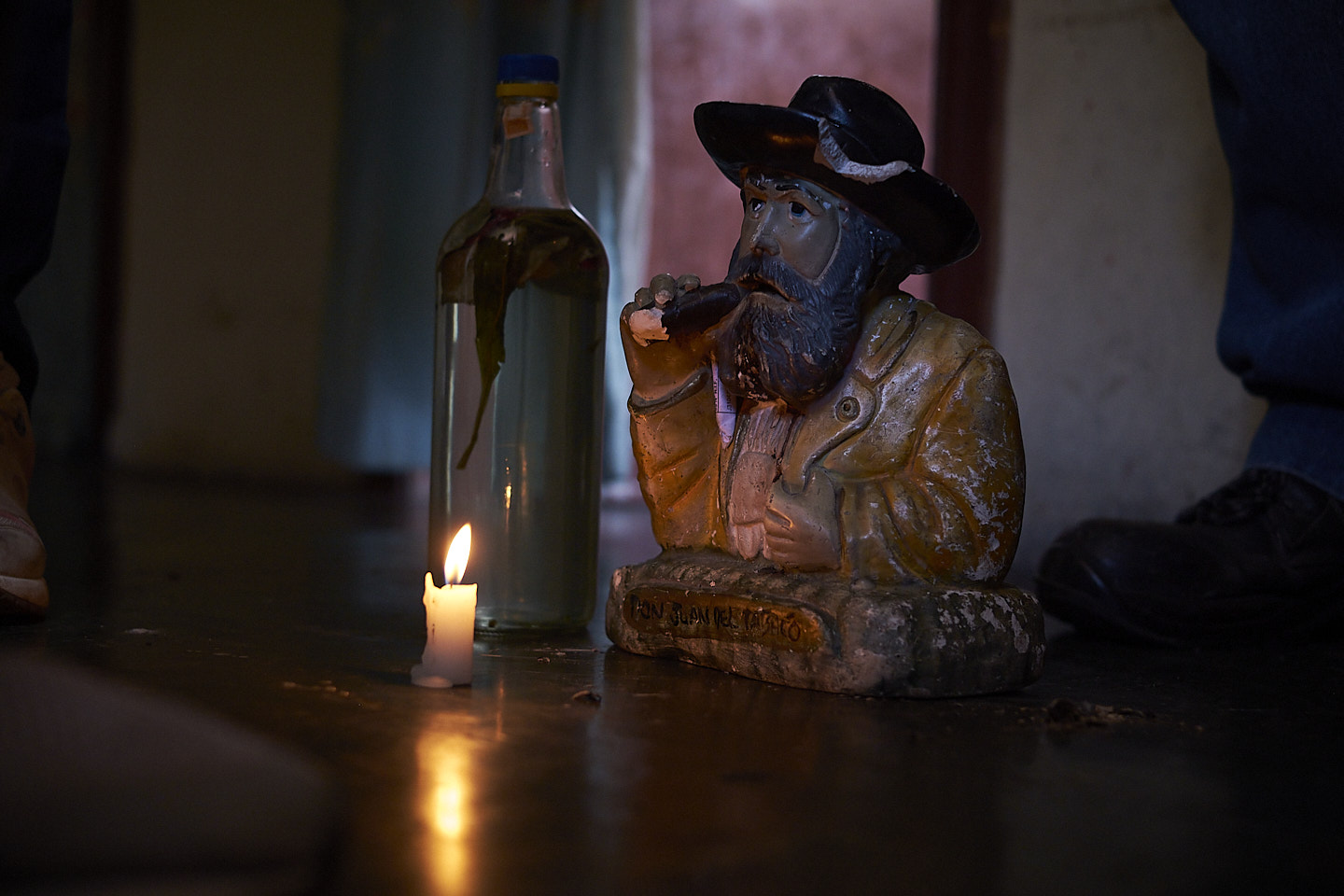
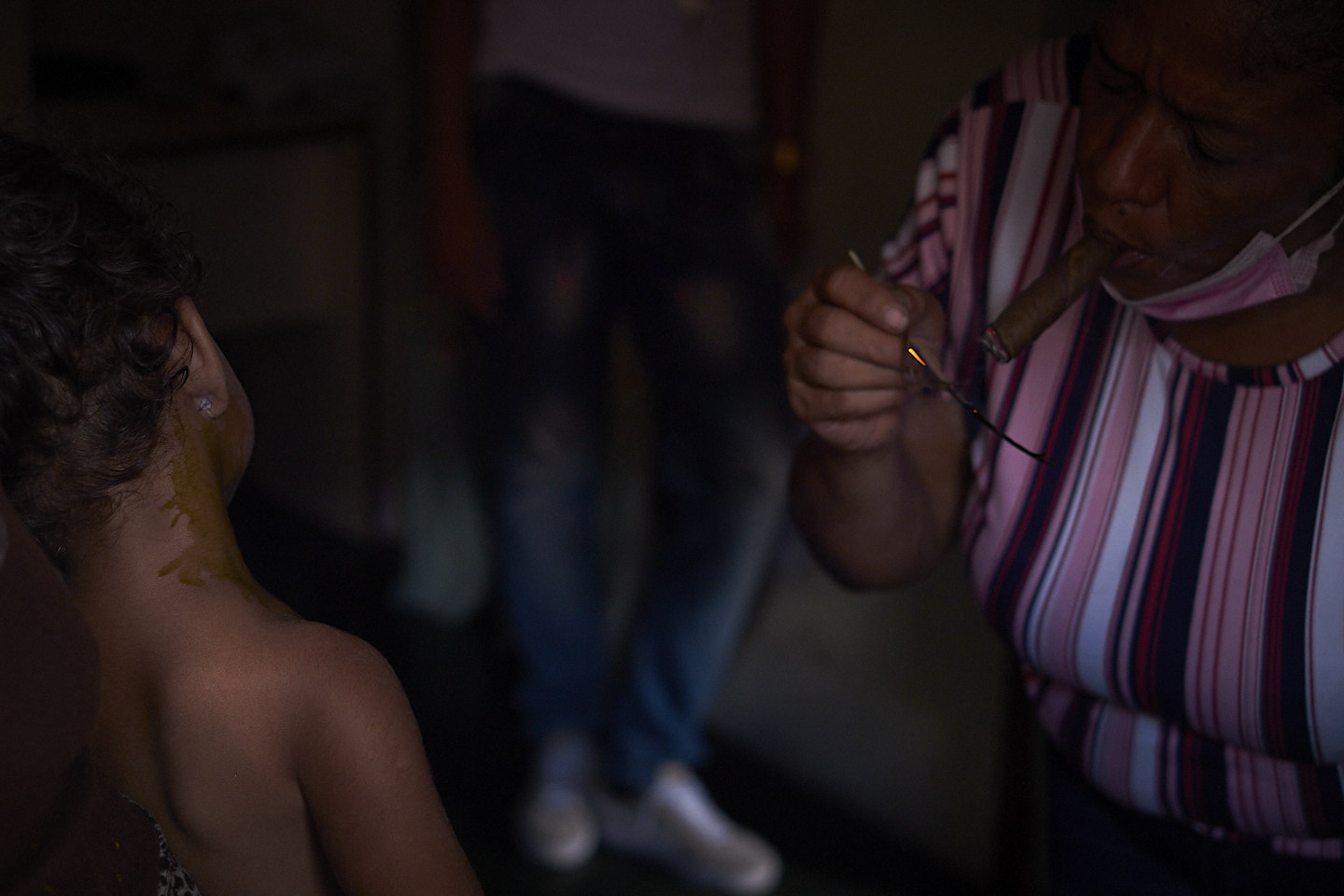
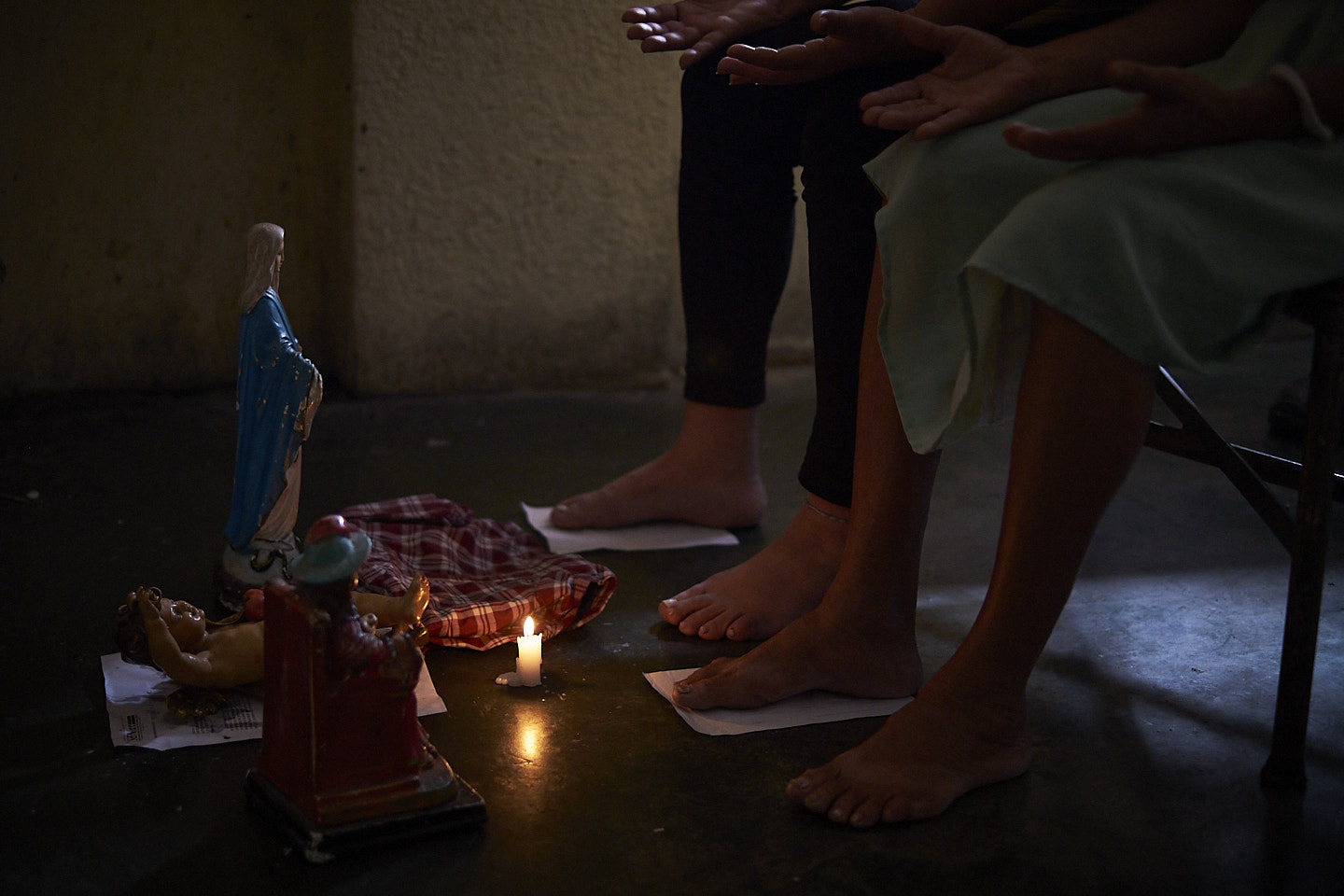
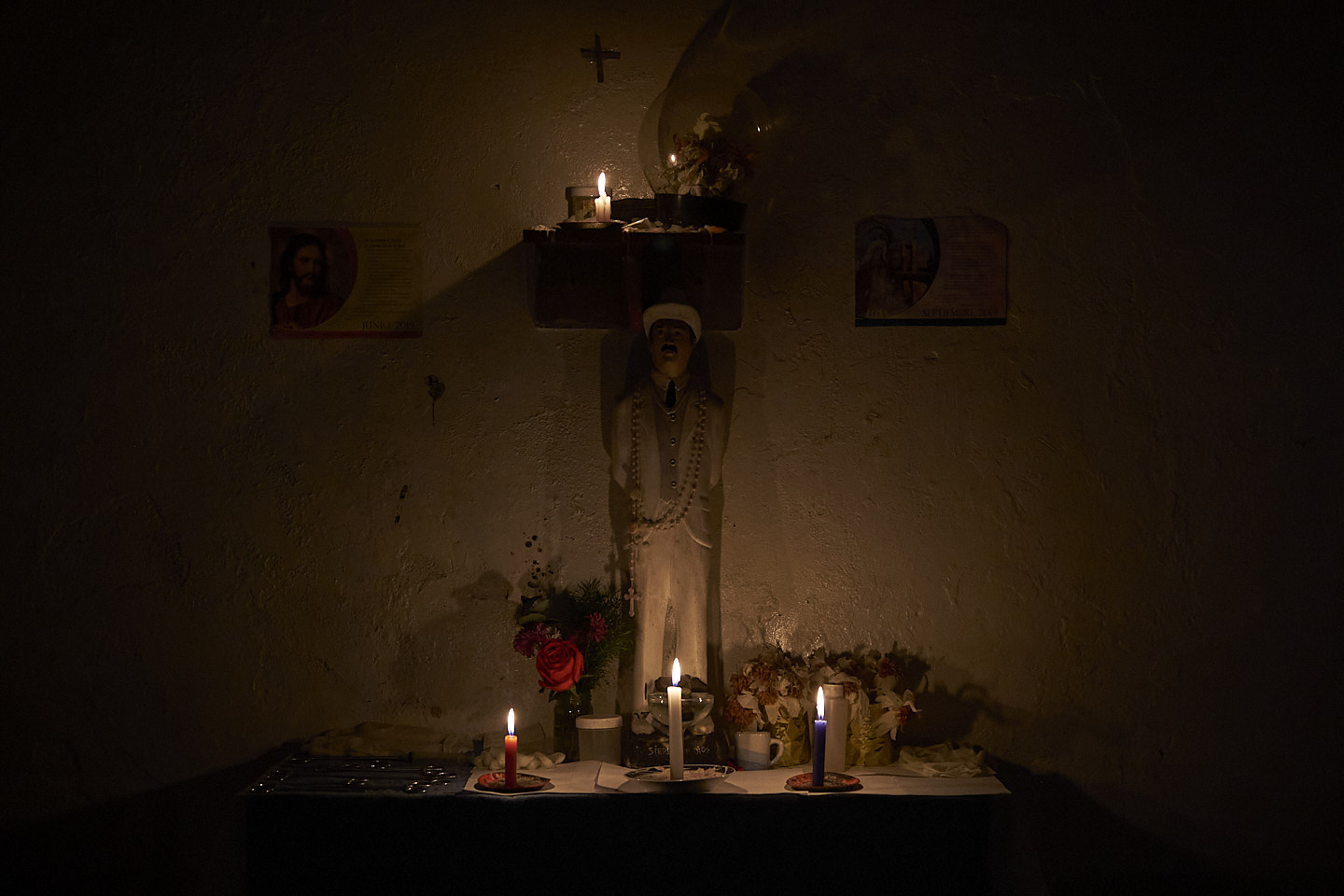
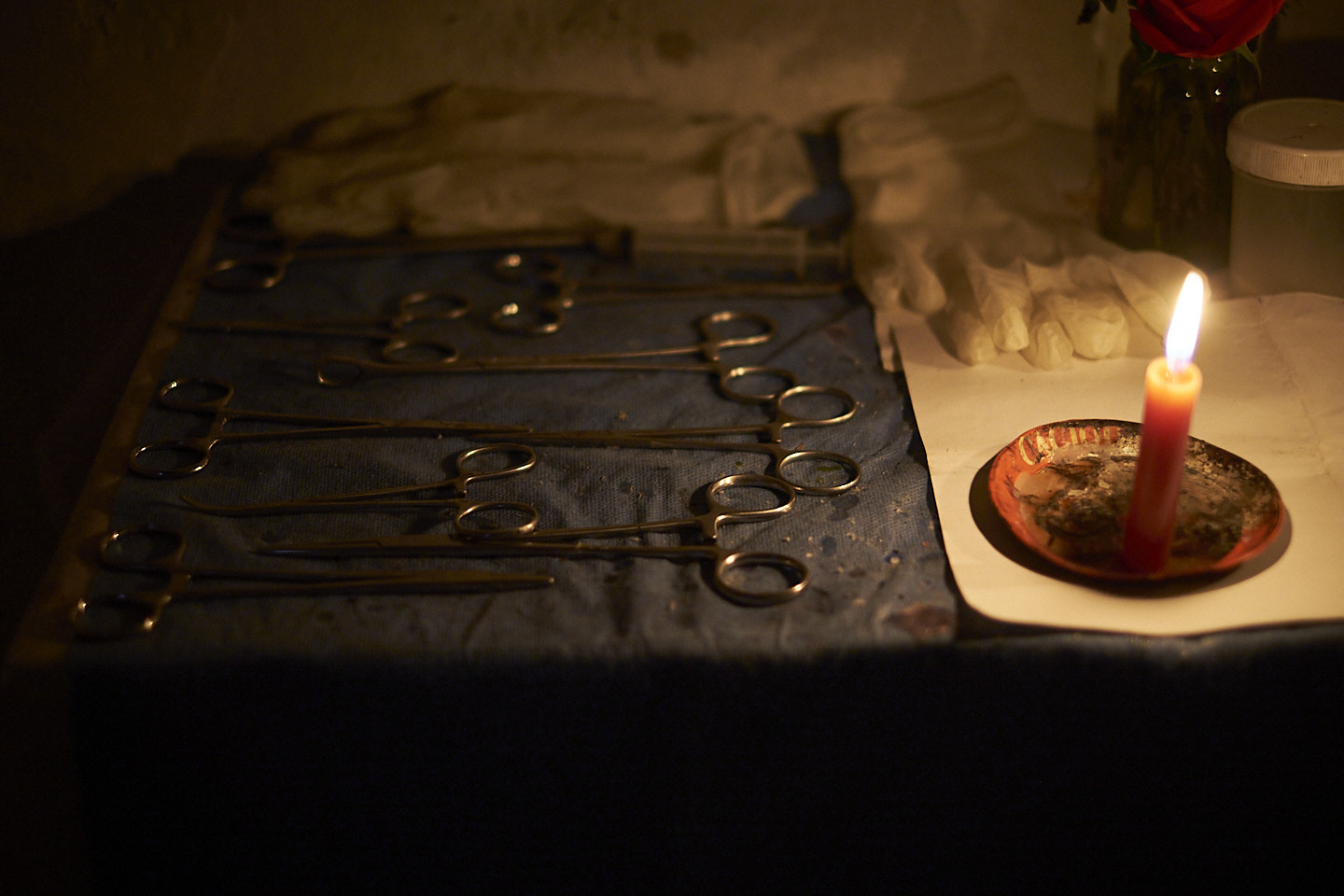
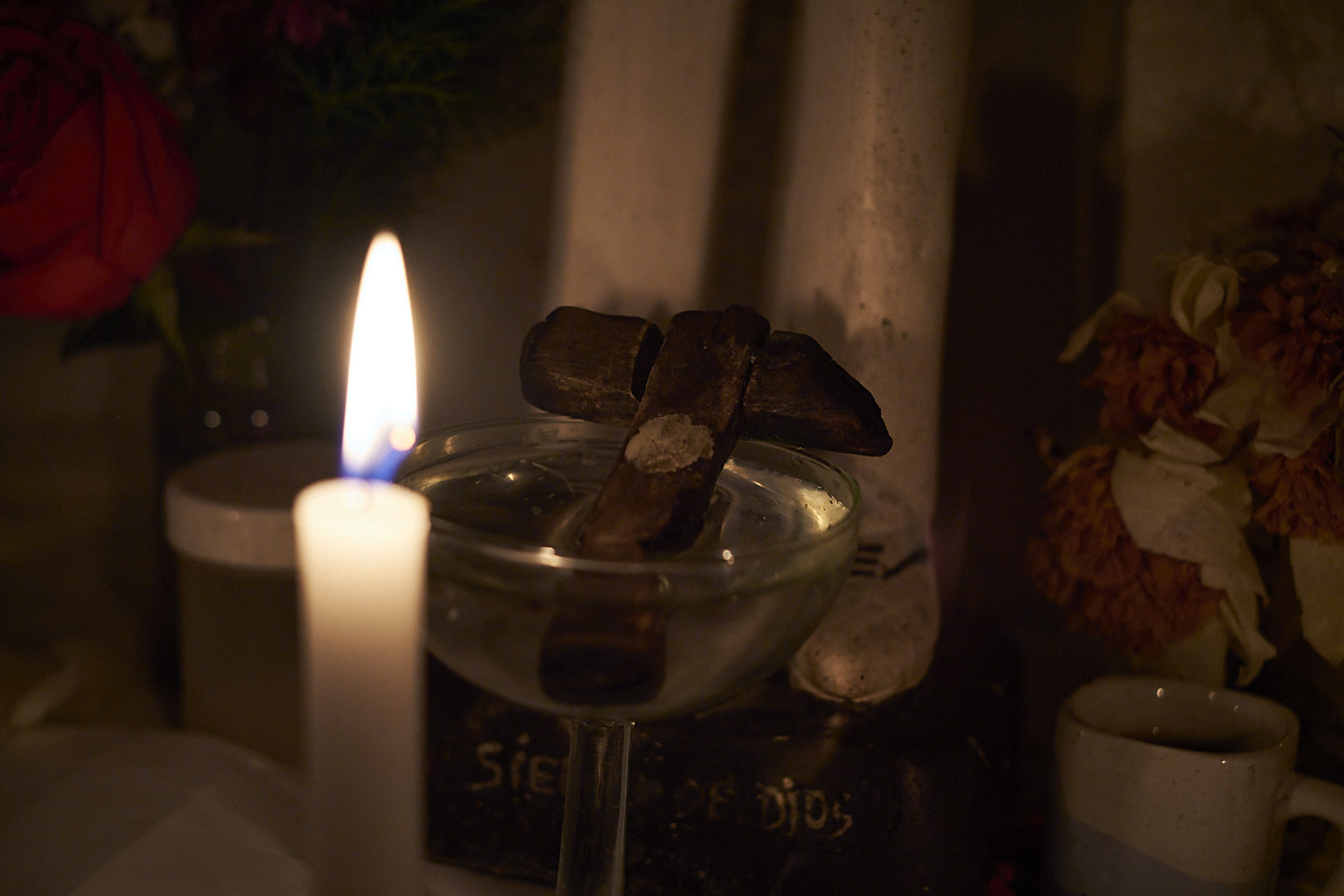
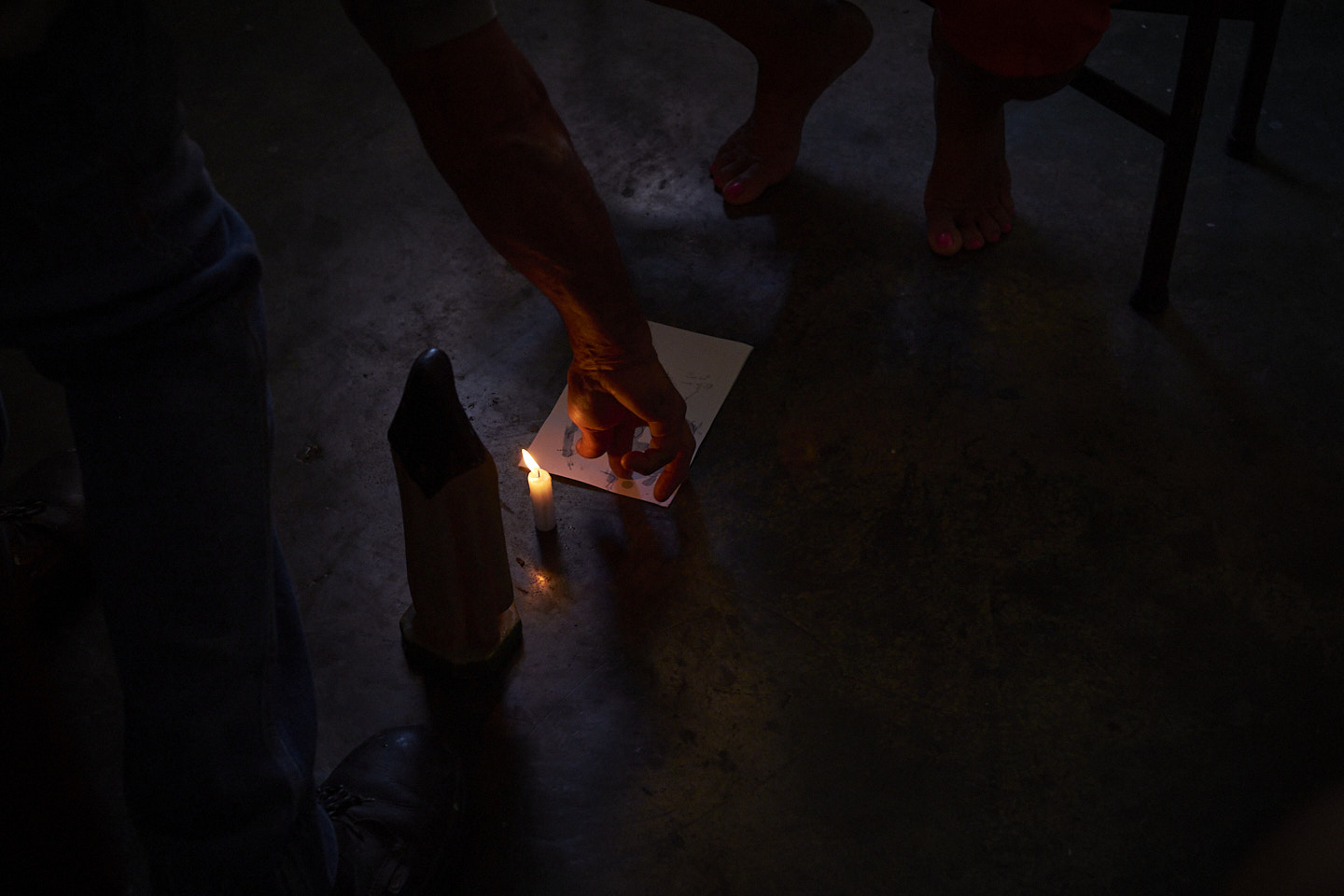
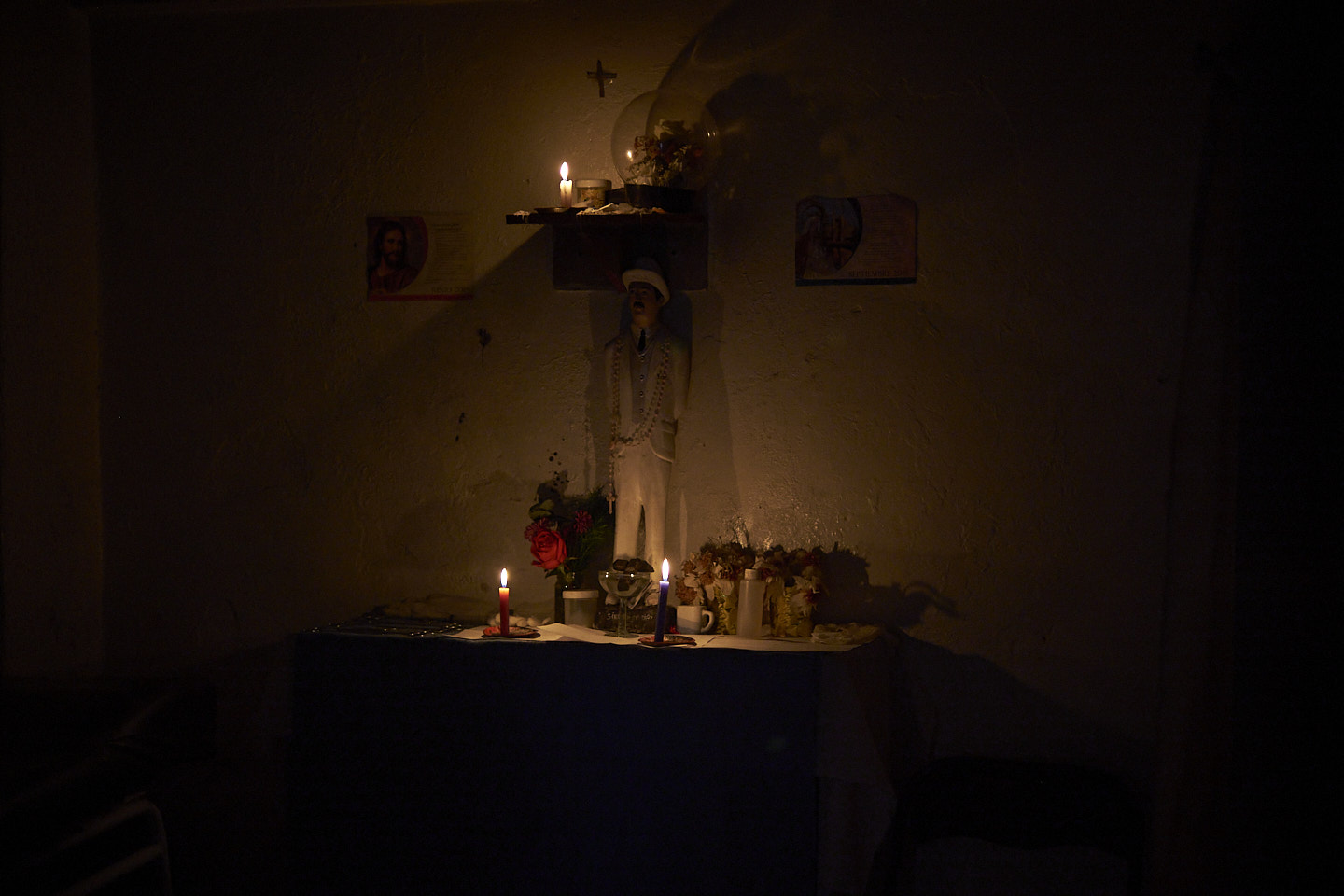
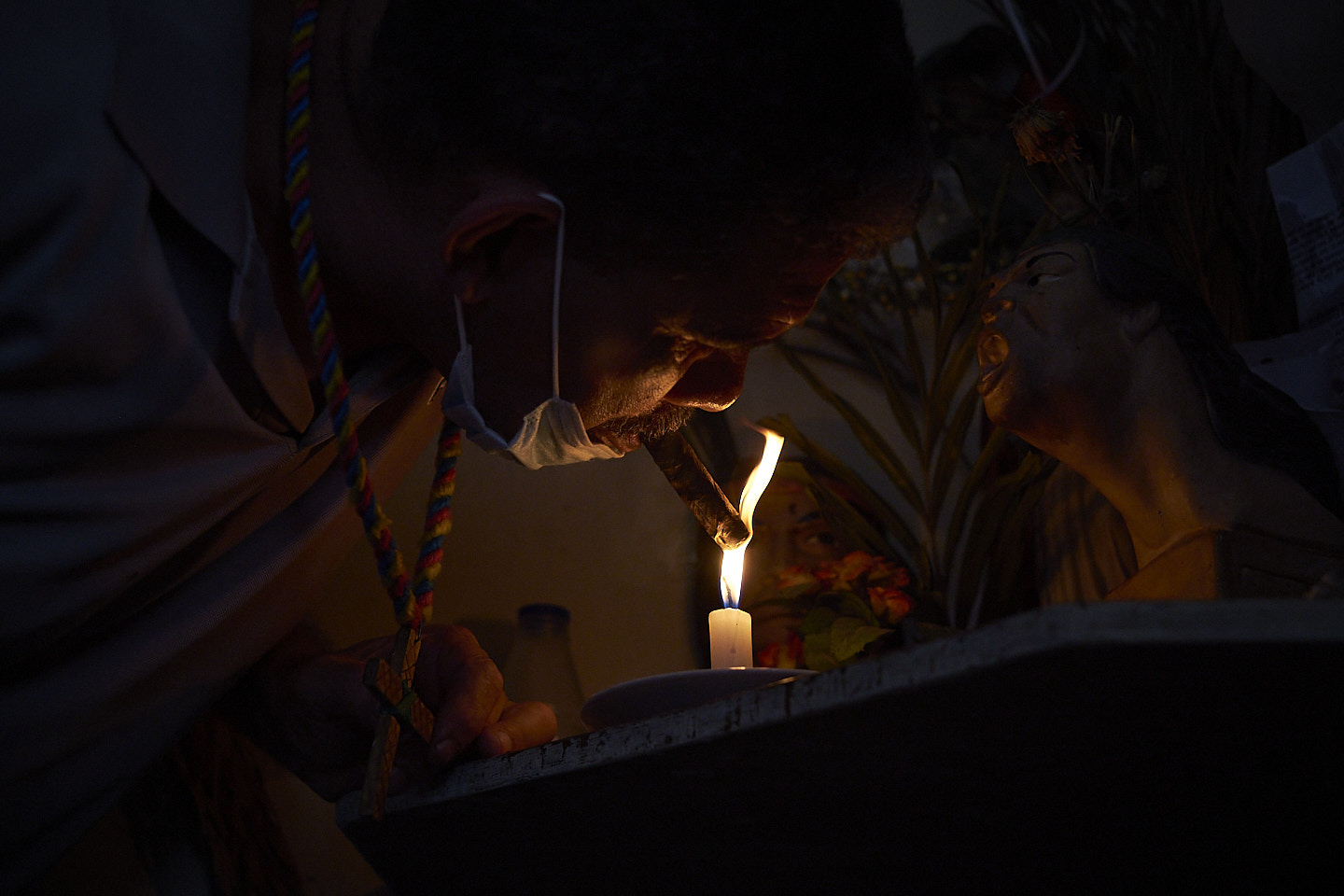
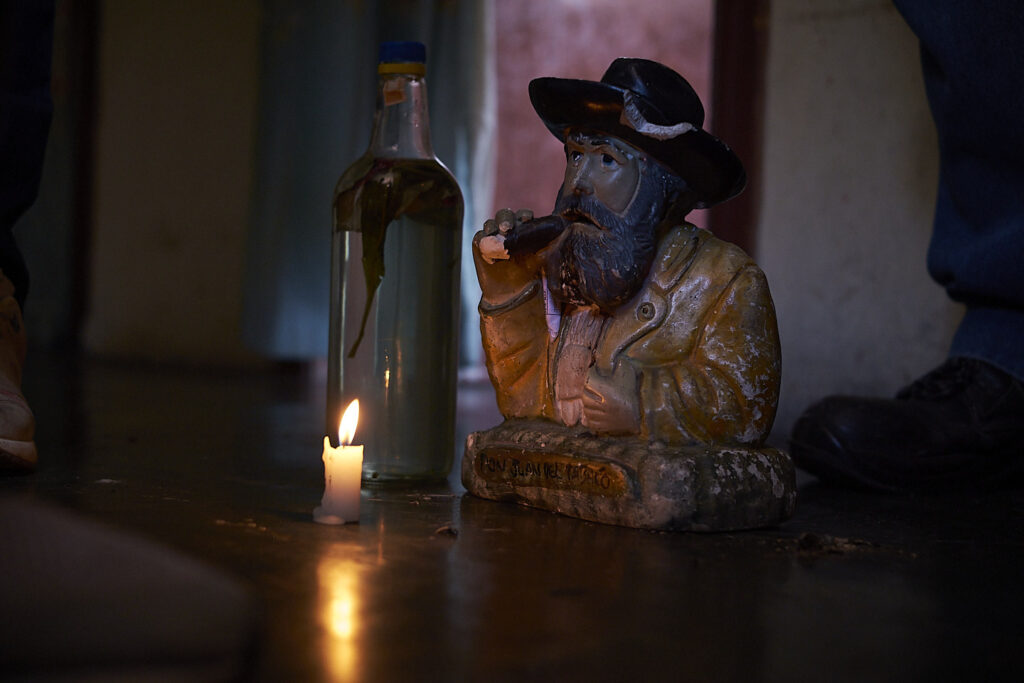
The place revolves around faith. Patients wait their turn while, inside the small consultation spaces, practitioners pray and use different elements associated with their rituals: herbs, tobacco, drinks, religious images and objects connected to espiritismo.
Among them was Carlos Márquez, known as the “materia”—the medium—of a spirit called the Hermano Guayanés, or Brother from Guayana.
According to Márquez, spirits use a physical body to perform spiritual healing. In previously published interviews, he explained that he began practicing espiritismo as a teenager and learned from a spiritual teacher named Francisco Rivas.
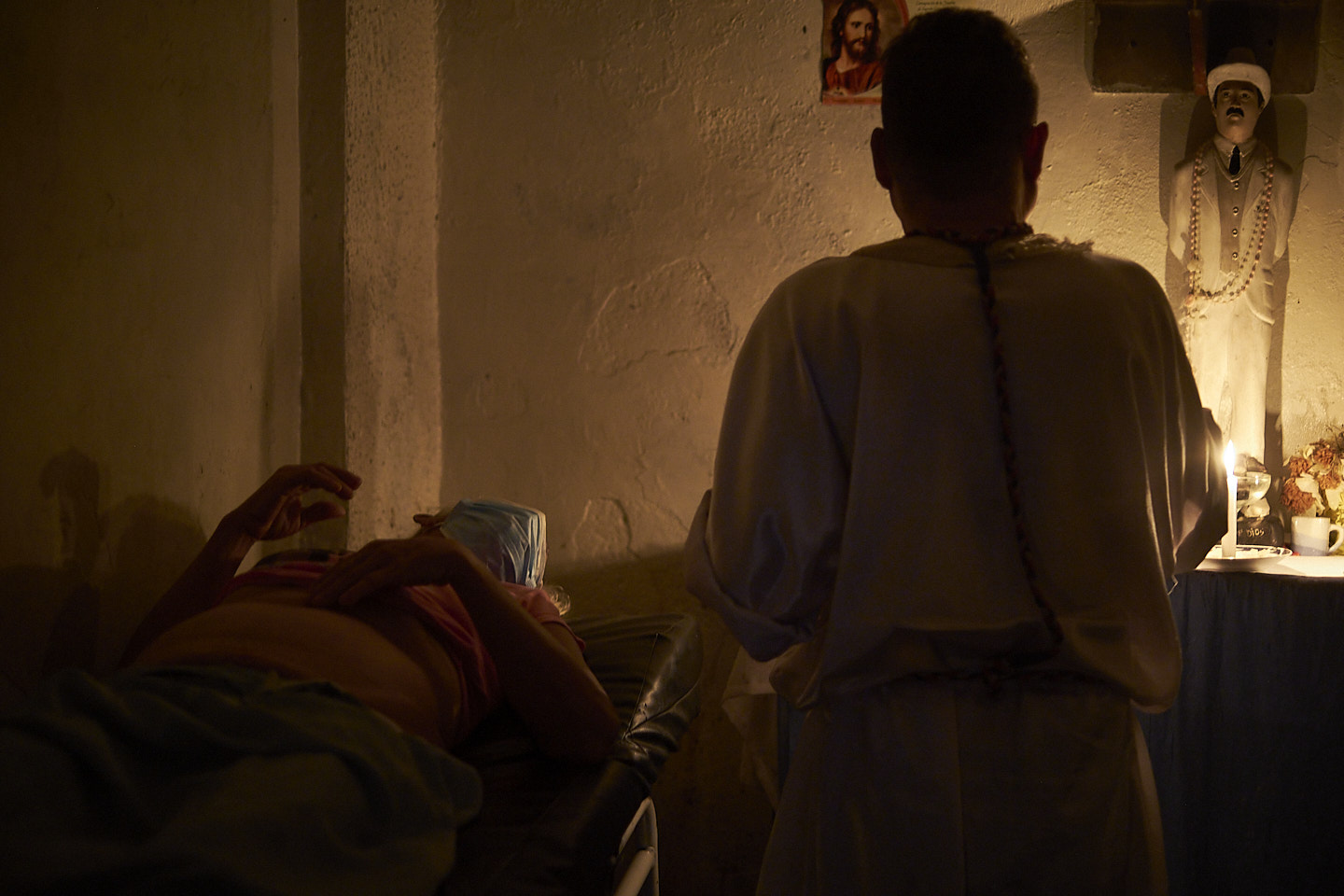
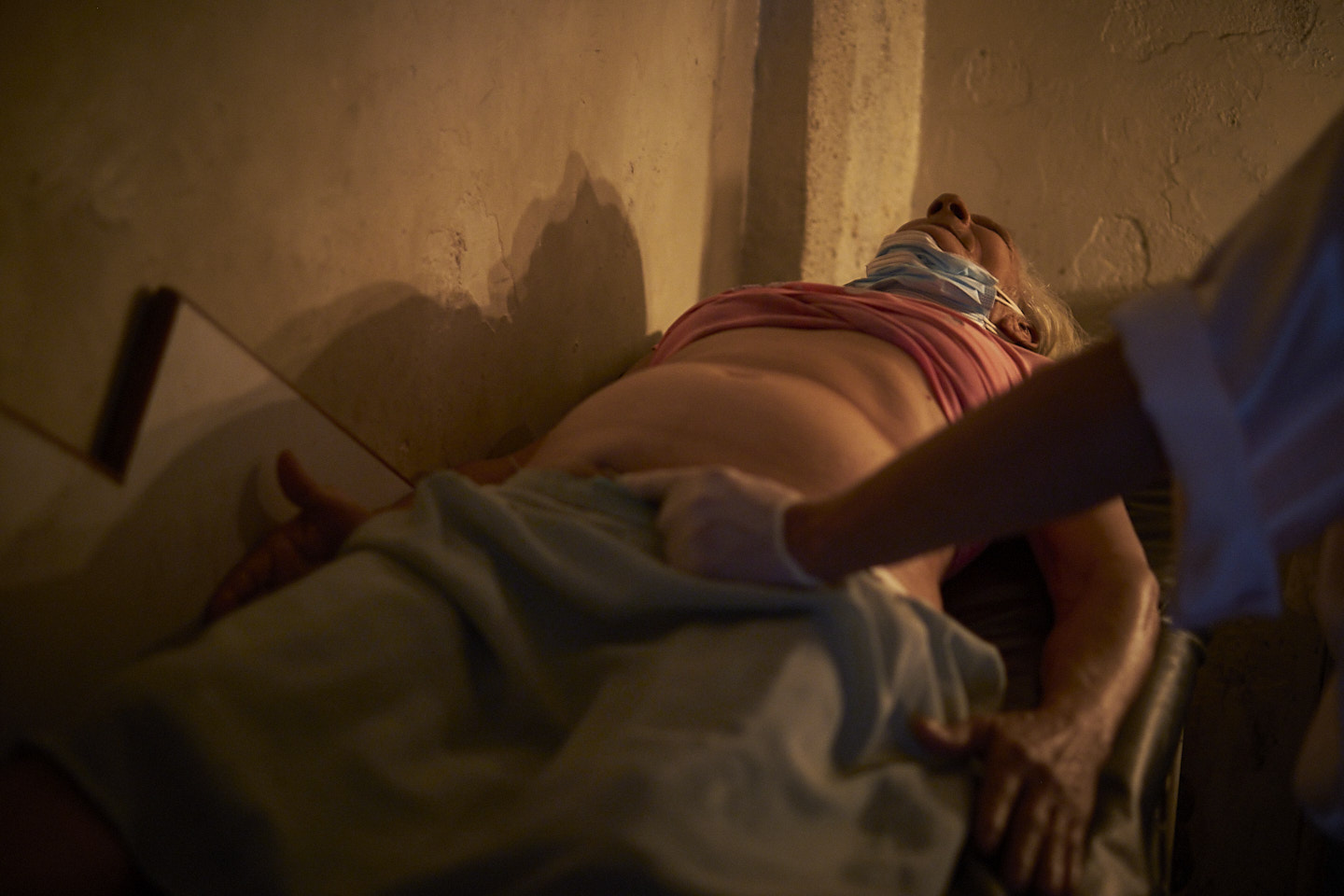
I was able to observe and record the moment when the process of receiving the Hermano Guayanés began.
The change did not happen immediately.
His assistant accompanied him throughout the ritual. Prayers, movements and physical contact were part of the process. Márquez gradually changed his behavior and breathing while those around him watched closely.
I have that moment recorded on video.
Carlos Márquez during the ritual preceding the incorporation of the Hermano Guayanés. Petare, Caracas, September 2021.
The sequence shows Márquez gradually entering the state that participants identify as the incorporation of the Hermano Guayanés. His assistant remains beside him and accompanies him throughout the process.
For the people in the room, the meaning was clear: Carlos Márquez was giving way to the spirit.
I do not present those images as proof that a spirit entered his body.
The video documents something else: the moment when a belief becomes a collective experience and the people present accept that transformation as real.
That distinction matters.
My work as a photographer is not to prove or disprove a religious belief. It is to observe how that belief becomes part of the lives of those who practice it and of the people who come there looking for help.
And in Petare, that search cannot be separated from the circumstances surrounding it.
By 2021, Venezuela had been living through a deep crisis in its healthcare system for years. Shortages of medicines and medical supplies, deteriorating hospitals and difficulties accessing treatment had particularly affected people who depended on an already weakened public healthcare system.
The COVID-19 pandemic added another layer of difficulty to an already precarious situation.
When I made these photographs, Venezuela had just received, on September 7, 2021, an initial shipment of 693,600 COVID-19 vaccines through the COVAX mechanism. The country was still dealing with the consequences of years of deterioration in its healthcare infrastructure.
In that environment, visiting a spiritual center could mean different things.
For some, it was faith.
For others, family tradition.
For others, an alternative when obtaining a medical consultation, medication or treatment was too difficult or expensive.
Earlier reporting had already documented the connection between Venezuela’s healthcare crisis and the growing number of people seeking help from spiritual practitioners. National Geographic, among other outlets, documented patients turning to mediums during the country’s crisis.
But a photograph cannot tell us what happens inside someone’s body after a ritual.
It cannot prove that an illness has disappeared.
What it can show is that a person chose to be there.
That was what interested me.
The people waiting.
The altars.
The smoke.
The hands.
The objects used during the rituals.
The silence before a consultation.
The transformation of Carlos Márquez.
And, above all, the trust of the people waiting for their turn.
The Callejón de los Brujos does not exist simply because some people believe in spirits.
It also exists because people need answers.
When institutions fail to provide an accessible solution, people look elsewhere. Some turn to medicine. Others to religion. Others to family, community or practices passed from one generation to the next.
In Petare, some of those answers are found through espiritismo.
Carlos Márquez sits before his patients as Carlos.
Then the ritual begins.
His assistant accompanies him.
His body changes.
His voice changes.
And when the transformation is complete, the people in the room are no longer waiting to speak with Carlos.
They are waiting to speak with the Hermano Guayanés.
I was there with Román Camacho, each of us making our own record of the same scene.
I was there with a camera.
And also with a question that remained after I left the alley:
What does a person look for when they can no longer find answers in the places where they expected to find them?
My work does not attempt to answer that question.
The photographs are there to make it visible.
Photographs and video by Javier Ramírez-Carril, September 2021.
Reporting/documentation with Venezuelan journalist Román Camacho. Petare, Caracas, Venezuela.